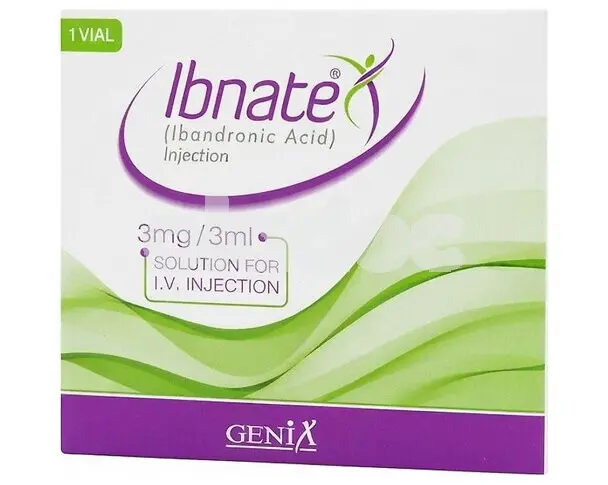
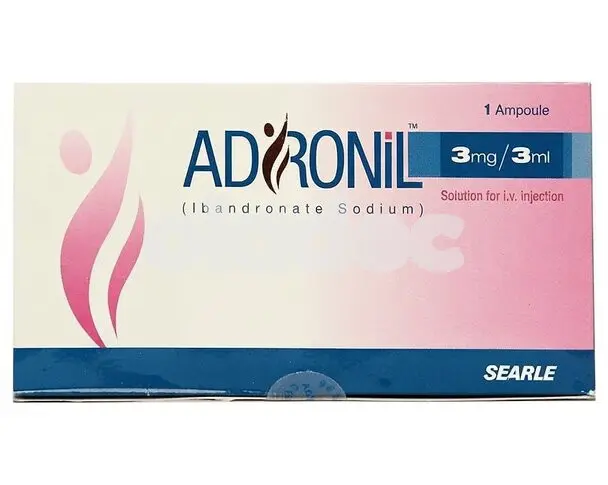
About Ibnate Injection 3mg/3ml
Ibnate is a bisphosphonate injection with Ibandronic Acid, used to treat postmenopausal osteoporosis.
Ibnate Injection 3mg/3ml Uses
- Treatment of osteoporosis in postmenopausal women
- Prevention of bone loss in women at risk of postmenopausal osteoporosis
- Reducing the risk of vertebral fractures of the spine
- Increasing bone mineral density over long term therapy
Ibnate Injection 3mg/3ml Benefits
- Slows down bone breakdown caused by low estrogen after menopause
- Given once every three months, which improves treatment adherence
- Lowers the chance of spinal fractures with consistent use
- Administered by a healthcare professional, ensuring correct dosing
What Experts Say
Ibandronic acid belongs to the nitrogen containing bisphosphonate class. It binds to hydroxyapatite crystals in bone tissue and is taken up by osteoclasts, where it blocks the enzyme farnesyl pyrophosphate synthase. This action reduces osteoclast activity and slows the breakdown of bone that occurs after estrogen levels fall at menopause.
Because ibandronic acid has a strong affinity for bone mineral, a single intravenous dose every three months maintains suppression of bone turnover between administrations. Clinical studies in postmenopausal women show increased bone mineral density at the spine and a reduced rate of new vertebral fractures compared with placebo over multi year follow up.
Long term bisphosphonate use requires periodic review, since prolonged suppression of bone remodeling has been linked to rare complications such as osteonecrosis of the jaw and atypical femoral fractures. Kidney function and serum calcium should be checked before each dose, and the drug should be avoided in patients with significant renal impairment or uncorrected hypocalcemia.
Drug Class
- Bisphosphonate (Nitrogen Containing)
Ibnate Injection 3mg/3ml Uses in Urdu
- مینوپاز کے بعد ہڈیوں کے کمزور ہونے یعنی آسٹیوپوروسس کے علاج میں
- ہڈیوں کی کثافت کم ہونے سے بچاؤ کے لیے
- ریڑھ کی ہڈی کے فریکچر کا خطرہ کم کرنے کے لیے
- ہڈیوں کو مضبوط اور صحت مند رکھنے کے لیے
Ibnate Injection 3mg/3ml formula
How to use Ibnate Injection 3mg/3ml?
- Ibnate Injection is given only by a doctor or trained healthcare professional in a clinic or hospital setting
- The standard dose is 3mg injected slowly into a vein over 15 to 30 seconds, once every three months
- Blood calcium and kidney function are usually checked before each dose
- Patients are advised to take calcium and vitamin D supplements as directed alongside this treatment
- Missed doses should be rescheduled as soon as possible under medical guidance
Drug Interactions
- Aminoglycoside Antibiotics: Combined use increases the risk of significant drops in blood calcium.
- Calcium And Vitamin D Supplements: Should be taken as advised but not at the exact same time as the infusion to avoid reduced effectiveness.
- Nephrotoxic Drugs: Using other medicines that affect the kidneys alongside Ibnate can raise the risk of kidney injury.
- NSAIDs: Long term combined use may add to gastrointestinal and renal side effects associated with bisphosphonate therapy.
Risks and warnings
- Hypocalcemia: Low blood calcium must be corrected before starting treatment since Ibnate can lower calcium levels further.
- Kidney Impairment: Not recommended in patients with severe kidney disease due to risk of renal toxicity.
- Osteonecrosis Of The Jaw: Rare but serious jaw bone damage has been reported, mostly after dental surgery during treatment.
- Atypical Fractures: Long term use has been linked to unusual thigh bone fractures with little or no trauma.
- Hypersensitivity Reactions: Anaphylaxis and severe allergic reactions have occurred and require immediate medical attention.
- Pregnancy: Should be used only if clearly necessary, since safety in pregnancy has not been established.
Ibnate Injection 3mg/3ml Side Effects
- Flu like symptoms including fever and muscle aches after the first dose
- Bone, joint or muscle pain
- Headache
- Low blood calcium levels
- Injection site reactions such as redness or swelling
- Nausea and stomach upset
- Fatigue
- Rare jaw bone problems known as osteonecrosis of the jaw
- Rare atypical thigh bone fractures
- Rare severe allergic reactions
Storage Conditions
- Store below 30°C, protected from direct heat and light
- Do not freeze the vial or pre filled syringe
- Keep in the original carton until the time of administration
- Do not use if the solution looks discolored or contains particles
- Keep out of reach of children and dispose of used vials safely