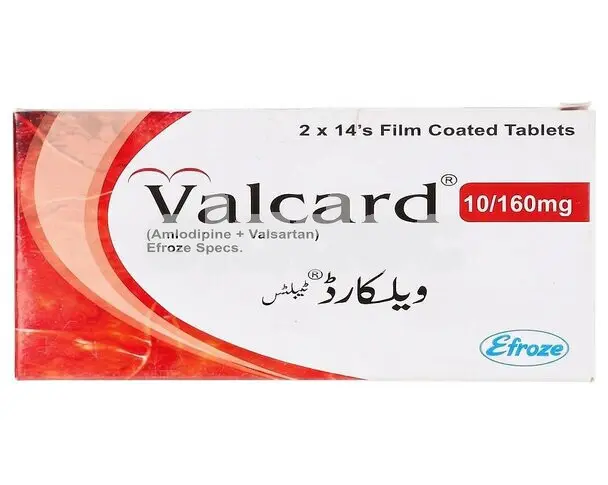
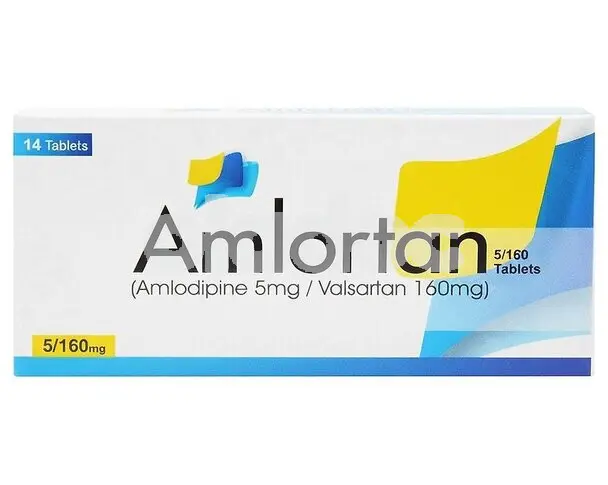
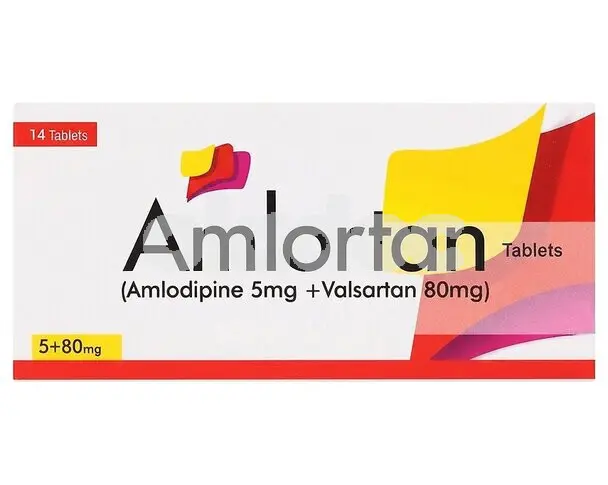
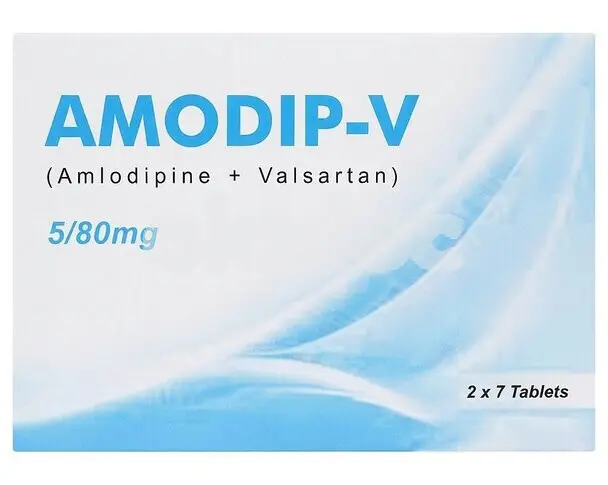
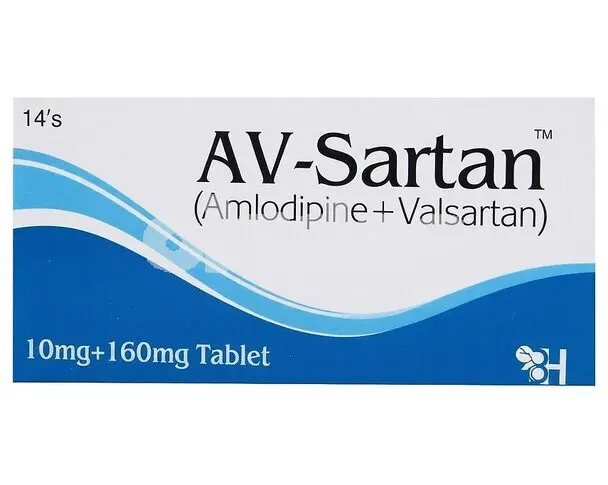
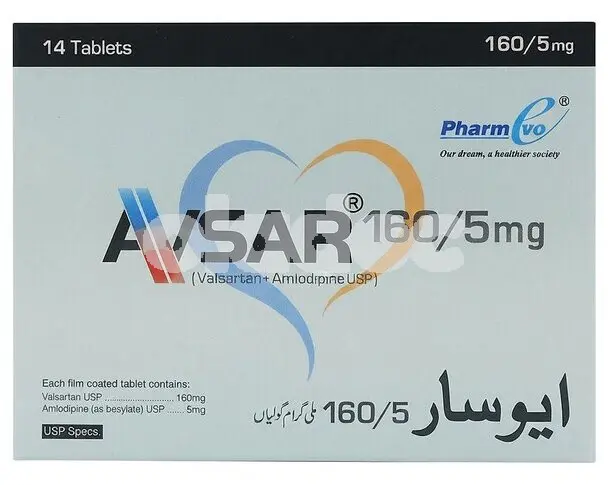
About Valcard Tablet 10 / 160mg
Valcard 10/160mg is an amlodipine and valsartan combination tablet used to manage hypertension.
Valcard Tablet 10 / 160mg Uses
- Treats high blood pressure (hypertension) in adults
- Used when blood pressure is not controlled by amlodipine or valsartan alone
- Helps lower the risk of stroke and heart attack linked to uncontrolled hypertension
- Supports long term blood pressure management in patients with added cardiovascular risk factors
Valcard Tablet 10 / 160mg Benefits
- Combines two blood pressure lowering mechanisms in a single tablet
- Improves treatment adherence by reducing the number of daily tablets needed
- Provides more consistent 24 hour blood pressure control than either drug alone
- Reduces strain on the heart and blood vessels over time
What Experts Say
Amlodipine relaxes blood vessel walls by blocking calcium channels in smooth muscle, while valsartan blocks the angiotensin II receptor that normally causes blood vessels to narrow. Together these two mechanisms produce a stronger blood pressure lowering effect than either drug used on its own.
Clinical evidence on this combination shows that adding an angiotensin receptor blocker to a calcium channel blocker reduces the ankle swelling that amlodipine can cause when taken alone, since valsartan encourages more even fluid distribution in the body. This makes the combination easier to tolerate over long term use.
Physicians generally reserve this combination for patients whose blood pressure remains above target despite single drug therapy, since starting two antihypertensive agents together carries a higher risk of low blood pressure episodes, especially in older adults or those who are dehydrated or taking diuretics.
Drug Class
- Calcium channel blocker (amlodipine)
- Angiotensin II receptor blocker (valsartan)
- Antihypertensive combination therapy
Valcard Tablet 10 / 160mg Uses in Urdu
ویل کارڈ ٹیبلٹ ہائی بلڈ پریشر کو کنٹرول کرنے کے لیے استعمال ہوتی ہے۔ یہ دل کے دورے اور فالج کے خطرے کو کم کرنے میں مدد دیتی ہے۔
- ہائی بلڈ پریشر کو کنٹرول کرنے کے لیے
- دل کے دورے اور فالج کے خطرے کو کم کرنے کے لیے
- جب اکیلی دوا سے بلڈ پریشر کنٹرول نہ ہو رہا ہو
- دل اور خون کی نالیوں پر دباؤ کم کرنے کے لیے
Valcard Tablet 10 / 160mg formula
How to use Valcard Tablet 10 / 160mg?
- Take Valcard tablet once daily, at the same time each day, with or without food
- Swallow the tablet whole with a glass of water, do not crush or chew it
- Do not stop taking it suddenly without consulting your doctor, even if you feel well
- Continue regular blood pressure monitoring while on this medicine
Drug Interactions
Valcard Tablet 10 / 160mg may interact with certain other drugs, so always inform your doctor of your current treatments.
- NSAIDs: Medicines like ibuprofen or diclofenac can reduce the blood pressure lowering effect and increase the risk of kidney problems when combined with Valcard
- Potassium sparing diuretics and potassium supplements: Combining these with valsartan can raise blood potassium to unsafe levels
- Simvastatin: Amlodipine can raise simvastatin levels in the blood, so higher simvastatin doses are usually avoided during treatment
- Lithium: Valsartan can increase lithium levels in the blood, raising the risk of lithium toxicity
- CYP3A4 inhibitors: Medicines such as ketoconazole or ritonavir can raise amlodipine levels and increase side effects
Risks and warnings
- Pregnancy: Avoid this medicine during pregnancy as it can cause fetal harm and should be stopped as soon as pregnancy is confirmed
- Low blood pressure: Use with caution in patients who are dehydrated, on diuretics, or on a low salt diet, since it can cause a sudden drop in blood pressure
- Kidney impairment: Requires dose caution and monitoring of kidney function in patients with narrowed renal arteries or reduced kidney function
- Liver impairment: Use with caution in patients with moderate to severe liver disease
Valcard Tablet 10 / 160mg Side Effects
Most people tolerate Valcard Tablet 10 / 160mg well when it is taken correctly. Some mild effects can still occur.
- Swelling of the ankles or feet
- Headache
- Dizziness or lightheadedness
- Flushing or a feeling of warmth
- Fatigue
- Common cold like symptoms such as a stuffy nose or sore throat
- Low blood pressure episodes
Seek medical help right away if you notice any of the following serious effects.
- High potassium levels (hyperkalemia)
- Reduced kidney function in susceptible patients
- Allergic swelling of the face, lips, or throat (rare)
Storage Conditions
- Store below 30°C in a cool, dry place away from direct sunlight
- Keep the tablets in their original blister pack until ready to use
- Keep out of reach of children
- Do not use the tablet after the expiry date printed on the pack