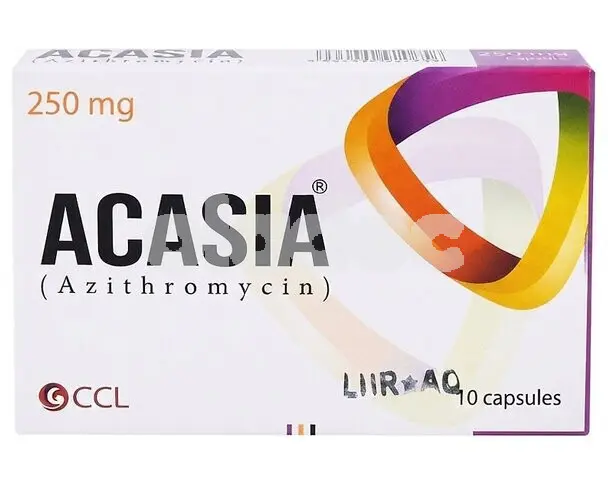
About Zitro Tablet 250mg
An antibiotic tablet used to treat common bacterial infections in adults and children.
Zitro Tablet Uses
- Bacterial throat and sinus infections
- Community acquired pneumonia and bronchitis
- Skin and soft tissue infections
- Ear infections in children and adults
- Certain sexually transmitted infections such as chlamydia
- Typhoid fever caused by susceptible bacteria
Zitro Tablet Benefits
- Once daily dosing that improves treatment compliance
- Short 3 to 5 day courses effective for most infections
- Broad effectiveness against a wide range of common bacteria
- Generally well tolerated with a low rate of stomach upset
- Wide availability and affordability across Pakistan
What Experts Say
Azithromycin works by blocking bacterial protein synthesis, which halts the growth and spread of susceptible organisms in the body. Pakistani physicians often favor it for respiratory tract infections because its long tissue half life allows shorter treatment courses than older macrolide antibiotics.
Antibiotic resistance is a growing concern across Pakistan, so doctors typically reserve azithromycin for infections where the clinical picture or lab results support its use. Unsupervised antibiotic purchases and early treatment stoppage are both linked to rising resistance rates across the country.
Patients with underlying heart rhythm problems or those on other QT prolonging medicines need careful evaluation before starting azithromycin. Pakistani physicians generally advise completing the full prescribed course, even once symptoms improve, to prevent relapse and reduce the risk of resistant bacteria developing.
Drug Class
Zitro Tablet 250mg Uses in Urdu
- سانس کی نالی کے انفیکشن کا علاج
- جلد کے بیکٹیریل انفیکشن میں استعمال
- کان کے انفیکشن کا علاج
- جنسی طور پر منتقل ہونے والے بعض انفیکشنز کا علاج
- ٹائیفائیڈ بخار میں استعمال
Zitro Tablet 250mg formula
How to use Zitro Tablet 250mg?
- The tablet should be taken exactly as prescribed by your doctor, usually once daily.
- A full glass of water helps with swallowing the tablet whole, with or without food.
- The complete course should be finished even if symptoms improve earlier.
- A consistent daily time helps maintain a steady drug effect.
Drug Interactions
- Antacids: Aluminum or magnesium containing antacids can reduce azithromycin absorption if taken at the same time.
- Warfarin: Azithromycin may increase the blood thinning effect, raising bleeding risk.
- Digoxin: Concurrent use can raise digoxin levels and increase the risk of toxicity.
- QT Prolonging Drugs: Other QT prolonging medicines increase the risk of dangerous heart rhythm changes when combined with azithromycin.
Risks and warnings
- Heart Rhythm Risk: Azithromycin can prolong the QT interval and should be used cautiously in patients with existing heart rhythm problems.
- Liver Function: Rare cases of liver toxicity have been reported, so patients with liver disease need close monitoring.
- Allergic Reactions: Immediate medical care is needed if rash, swelling or breathing difficulty occurs.
- Diarrhea Risk: Severe or persistent diarrhea during or after treatment may signal a Clostridioides difficile infection.
Zitro Tablet Side Effects
- Nausea and stomach upset
- Diarrhea or loose stools
- Abdominal pain
- Headache
- Taste changes
- Mild skin rash
- Dizziness
- Severe allergic reaction with swelling or difficulty breathing
- Irregular heartbeat or palpitations
- Yellowing of skin or eyes indicating liver problems
- Severe watery or bloody diarrhea
Storage Conditions
- Store below 25°C in a cool, dry place away from direct sunlight.
- Keep the tablets in their original blister pack until ready to use.
- Keep out of reach of children.
- Discard any unused tablets after the expiry date printed on the pack.