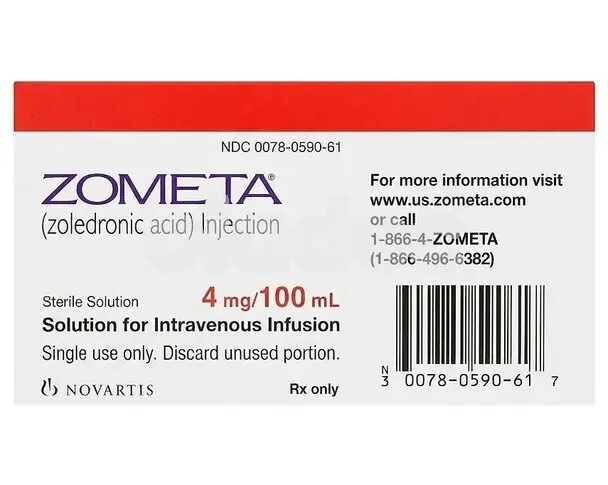
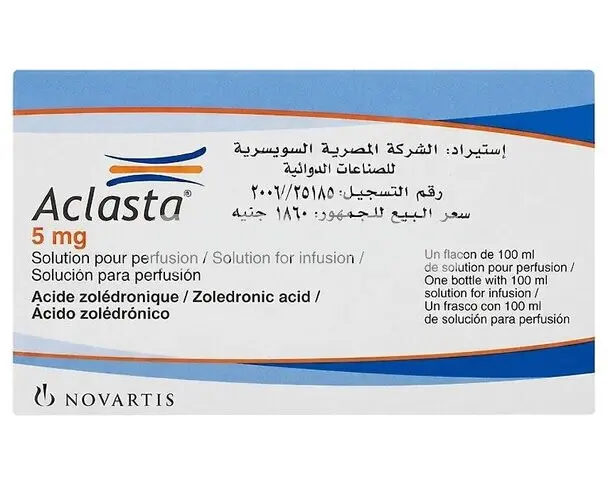
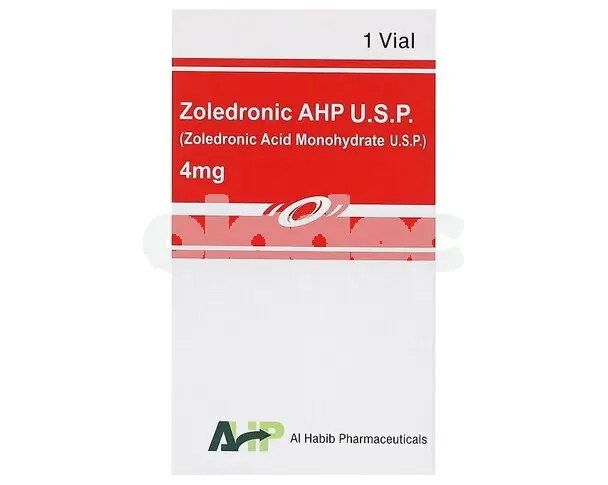
About Zometa Injection 4mg
Zometa Injection 4mg contains zoledronic acid, a bisphosphonate used for cancer related bone complications.
Zometa Injection 4mg Uses
- Treats bone metastases from breast cancer, prostate cancer, and lung cancer
- Manages bone lesions caused by multiple myeloma
- Treats hypercalcemia of malignancy
- Treats Paget's disease of bone
- Treats osteoporosis in men and postmenopausal women at high fracture risk
Zometa Injection 4mg Benefits
- Reduces the risk of pathological fractures in cancer patients
- Lowers the need for radiation therapy or surgery to bone
- Brings dangerously high blood calcium levels down quickly
- Slows bone loss and improves bone density over time
- Reduces spinal cord compression risk from bone metastases
What Experts Say
Oncologists prescribe Zometa Injection 4mg for patients whose cancer has spread to bone, since zoledronic acid binds bone mineral and blocks the osteoclast activity that drives tumor-related bone breakdown. This lowers pathological fracture risk in breast, prostate, and lung cancer, and multiple myeloma. For hypercalcemia of malignancy, the same mechanism brings high calcium levels back toward normal within days.
Physicians give Zometa as a slow intravenous infusion, never a rapid push, since faster administration raises kidney injury risk. Dosing intervals often stretch from every three to four weeks toward longer gaps once bone turnover markers show a stable response. Renal function is checked before every dose, since even mild pre-existing kidney impairment can worsen quickly with repeated bisphosphonate exposure.
Dental clearance before starting therapy is standard practice, since osteonecrosis of the jaw is a recognized complication of long-term zoledronic acid use, particularly after tooth extraction during treatment. Clinicians correct low calcium and vitamin D beforehand, since zoledronic acid can trigger hypocalcemia, and pair every infusion with hydration and calcium supplementation to protect the kidneys and bone.
Drug Class
Zometa Injection 4mg Uses in Urdu
- ہڈیوں میں کینسر کے پھیلاؤ (بون میٹاسٹیسیز) کا علاج
- ملٹیپل مائیلوما کی وجہ سے ہڈیوں کے مسائل کا علاج
- کینسر کی وجہ سے خون میں کیلشیم کی زیادتی (ہائپرکیلسیمیا) کا علاج
- پیجٹ کی بیماری کا علاج
- ہڈیوں کی کمزوری یعنی آسٹیوپوروسس کا علاج
- ہڈیوں کے ٹوٹنے کے خطرے کو کم کرنا
Zometa Injection 4mg formula
How to use Zometa Injection 4mg?
- Given only in a hospital or oncology infusion center by a doctor or nurse
- Administered as an intravenous infusion over at least 15 minutes
- Never self-administered or injected at home
- Blood tests for kidney function, calcium, phosphate, and magnesium are done before each dose
- Adequate oral fluid intake is advised before and after each infusion
- A dental checkup is recommended before starting treatment
- Dosing frequency is set by the treating oncologist based on the condition being treated
Drug Interactions
- Aminoglycoside Antibiotics: Combining with drugs such as gentamicin raises the risk of low blood calcium and kidney injury
- Other Nephrotoxic Drugs: Using Zometa with other medicines that stress the kidneys increases the chance of kidney damage
- Calcium Supplements: Calcium and vitamin D supplements are usually needed to offset the hypocalcemia risk, but timing should be guided by the treating doctor
- Loop Diuretics: Medicines such as furosemide can add to the risk of low blood calcium when used with Zometa
- Thalidomide: Combined use in multiple myeloma patients may raise the risk of kidney dysfunction
- NSAIDs: Anti inflammatory painkillers may add to the kidney related risks of zoledronic acid
Risks and warnings
- Osteonecrosis Of The Jaw: Long term use can cause bone death in the jaw, especially after tooth extraction or dental surgery during treatment
- Kidney Function Monitoring: Zoledronic acid can worsen kidney function, so blood tests are required before every infusion and the dose may need adjustment
- Hypocalcemia: The drug can lower blood calcium to dangerous levels, particularly in patients with poor calcium or vitamin D intake
- Atypical Femur Fractures: Rare unusual thigh bone fractures have been reported with long term bisphosphonate use
- Acute Phase Reaction: Fever, muscle aches, and flu like symptoms can occur within three days of the first infusion
- Pregnancy And Breastfeeding: Not recommended, since animal studies show harm to the developing fetus
- Severe Kidney Impairment: Not recommended in patients with significantly reduced kidney function
Zometa Injection 4mg Side Effects
- Fever and flu like symptoms
- Bone, joint, or muscle pain
- Nausea and vomiting
- Fatigue and weakness
- Low red blood cell count (anemia)
- Swelling in the legs or feet
- Low blood calcium, phosphate, or magnesium levels
- Reduced kidney function
- Osteonecrosis of the jaw
- Irregular heartbeat
- Severe allergic reaction with swelling or difficulty breathing
Storage Conditions
- Store unopened vials at room temperature, below 30 degrees Celsius
- Keep away from direct light and moisture
- Do not freeze the vial
- Refrigerate the diluted infusion solution if not used immediately
- Use the diluted solution within 24 hours when stored in a refrigerator
- Keep out of reach of children
- Discard any unused portion after a single use