



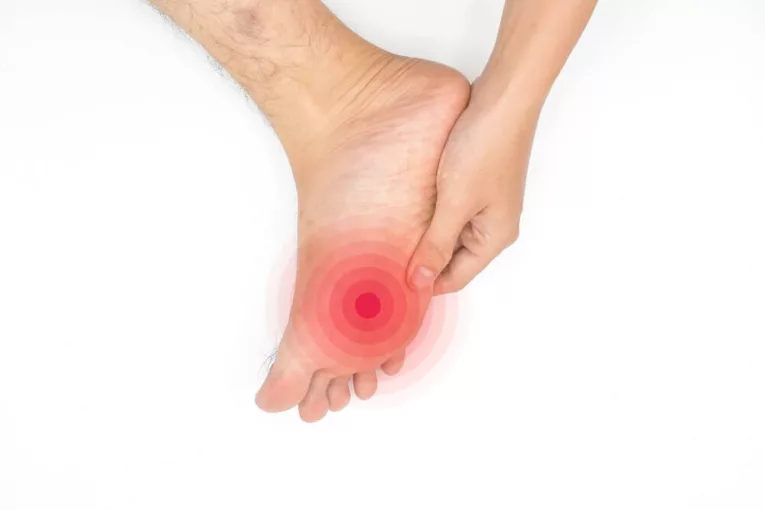
Neuropathy often brings tingling, burning, and numbness that can disrupt daily life and make even simple tasks uncomfortable.
Neurobion, a blend of nerve-supporting B vitamins may help ease neuropathy symptoms by nourishing and repairing damaged nerves.
This guide explains how it works, who can benefit, and what to consider before using it.
Table of Contents
What Is Neurobion and How Does It Help Neuropathy?
Neurobion is a combination of three essential B vitamins, B1 (thiamine), B6 (pyridoxine), and B12 (cobalamin) formulated to support nerve health. These vitamins play a critical role in maintaining healthy nerve function, repairing damaged nerve fibers, and preventing further nerve deterioration. Neurobion is commonly used as a supplement for people experiencing neuropathy or other nerve-related issues.
Why B Vitamins Matter for Nerve Health
Role of B1 in Nerve Signaling
Vitamin B1 helps convert glucose into energy, which nerves need to function properly. It also assists in transmitting nerve signals efficiently, reducing the risk of tingling or numbness associated with neuropathy.
Role of B6 in Neurotransmission
B6 supports the production of neurotransmitters, the chemical messengers that carry signals between nerves and muscles. Adequate B6 ensures proper communication along the nervous system, helping reduce nerve pain and discomfort.
Role of B12 in Nerve Regeneration
Vitamin B12 is crucial for forming the myelin sheath, the protective covering around nerves. It aids in repairing damaged nerves and maintaining long-term nerve health, which is especially important in conditions like neuropathy.
How Neurobion Works in Neuropathy
- Supports Nerve Repair: The combination of B vitamins provides nutrients that help damaged nerves recover more effectively.
- Improves Nerve Metabolism: Neurobion aids energy production in nerve cells, which is essential for proper nerve function.
- Helps Reduce Nerve Inflammation: Some studies suggest B vitamins can lower inflammation in nerves, easing pain and discomfort linked to neuropathy.
Types of Neurobion
Neurobion comes in two common forms:
- Regular Neurobion: Contains standard doses of B1, B6, and B12, suitable for mild deficiencies or preventive use.
- Neurobion Forte: Offers higher doses, often recommended for people with significant nerve damage or pronounced neuropathy symptoms. Your doctor can help decide which version is appropriate.
Who Usually Needs Neurobion for Nerve Issues?
Neurobion may be beneficial for:
- People with vitamin B deficiencies leading to neuropathy.
- Individuals with diabetic neuropathy or nerve pain due to chronic conditions.
- Those recovering from nerve injuries or certain surgeries.
- People experiencing tingling, numbness, or burning sensations in hands or feet.
What Is Neuropathy?
Neuropathy refers to damage or dysfunction of the peripheral nerves, which connect your brain and spinal cord to the rest of the body. When these nerves are affected, they may send faulty signals, leading to discomfort, numbness, or weakness.
Neuropathy can result from various medical conditions, lifestyle factors, or nutritional deficiencies. Understanding its symptoms, causes, and diagnosis is essential for effective management.
Common Symptoms of Nerve Damage
- Tingling or pins and needles: A prickling sensation, often starting in the hands or feet, is one of the earliest signs of neuropathy.
- Burning or stabbing pain: Some people experience sharp, burning, or shooting pain along the affected nerves.
- Numbness: Loss of sensation or “dead” feeling in certain areas can make it hard to sense temperature or touch.
- Weakness or balance issues: Nerve damage can affect muscle control, leading to difficulty walking, holding objects, or maintaining balance.
Main Causes of Neuropathy
- Diabetes: High blood sugar levels can damage nerves over time, making diabetic neuropathy one of the most common forms.
- Vitamin B12 deficiency: Lack of B12 impairs nerve repair and myelin formation, leading to tingling, numbness, or weakness.
- Alcohol use: Excessive alcohol can harm nerves directly or cause nutritional deficiencies that worsen neuropathy.
- Injury or compression: Physical trauma or conditions like herniated discs can compress nerves, triggering neuropathic symptoms.
- Certain medications: Some chemotherapy drugs, antivirals, or antibiotics may cause peripheral nerve damage as a side effect.
How Doctors Diagnose Neuropathy
- Physical and neurological exam: Doctors assess reflexes, muscle strength, coordination, and sensation to detect nerve problems.
- Blood tests for vitamin levels: Checking for deficiencies in B12, folate, or other essential nutrients helps identify treatable causes.
- Nerve conduction studies: These tests measure how well nerves transmit electrical signals, helping pinpoint the location and severity of damage.
Benefits of Neurobion for Neuropathy
Neurobion, with its blend of B1, B6, and B12 vitamins, is widely used to support nerve health and relieve symptoms of neuropathy. Its benefits go beyond just addressing vitamin deficiencies; it actively helps the nerves function better and reduces discomfort associated with nerve damage.
1. Helps Restore Damaged Nerves
The B vitamins in Neurobion provide essential nutrients that aid in repairing damaged nerve fibers. By supporting myelin sheath regeneration, Neurobion helps restore normal nerve structure and function, which is crucial for people experiencing neuropathy.
2. Reduces Tingling & Numbness
Many individuals with neuropathy suffer from persistent tingling, pins and needles, or numbness. Neurobion can help ease these sensations by improving nerve signaling and reducing nerve irritation.
3. Supports Nerve Function & Communication
Vitamin B6 and B12 in Neurobion are essential for neurotransmitter synthesis, which allows nerves to communicate effectively with muscles and other parts of the body. This improved nerve communication can enhance coordination and sensory function.
4. May Improve Energy Levels
Damaged nerves can make daily activities feel exhausting. By aiding in energy metabolism at the cellular level, Neurobion can help boost overall energy and reduce fatigue often associated with neuropathy.
5. Helps Prevent Worsening of Deficiency-Related Neuropathy
For people whose neuropathy stems from vitamin deficiencies, regular use of Neurobion can prevent further nerve damage. Maintaining adequate B vitamin levels ensures that nerves remain nourished and functional, reducing the risk of long-term complications.
How to Take Neurobion for Neuropathy
Taking Neurobion correctly can maximize its benefits for neuropathy. While it is generally safe, following recommended dosages, timing, and combining it with supportive lifestyle habits can help you achieve better results.
Recommended Dosage
For adults, the typical dosage is one tablet of Neurobion daily. Neurobion Forte may be prescribed in higher doses for more severe neuropathy or vitamin deficiencies, but it’s important to follow a doctor’s recommendation. Avoid exceeding the prescribed dose, as high levels of vitamin B6 over long periods can lead to nerve toxicity.
How Long It Takes to See Improvement
Improvement varies depending on the severity of neuropathy and underlying causes. Many people notice reduced tingling and numbness within a few weeks, while full nerve repair may take several months. Consistency is key, and results are best when combined with a healthy lifestyle and management of underlying conditions like diabetes.
Can You Combine Neurobion With Other Treatments?
Yes, Neurobion can often be safely combined with other neuropathy treatments, such as:
- Prescription medications for nerve pain (e.g., gabapentin or pregabalin)
- Physical therapy to maintain muscle strength and balance
- Other vitamin supplements, like alpha-lipoic acid or omega-3 fatty acids
- Always consult your doctor before combining supplements or medications to avoid interactions.
Best Time of Day to Take Neurobion
Neurobion can be taken anytime during the day, preferably with a meal to enhance absorption and reduce stomach discomfort. Some people find morning intake helpful for boosting energy throughout the day.
Foods That Support Nerve Repair Alongside Neurobion
Eating nutrient-rich foods can complement Neurobion’s effects and support nerve health:
- Leafy greens: Spinach, kale (rich in B vitamins and folate)
- Eggs and dairy: Good sources of B12
- Whole grains: Provide B1 and energy for nerve metabolism
- Nuts and seeds: Contain B6 and healthy fats
- Fish: Fatty fish like salmon provide omega-3s that protect nerves
Risks, Side Effects & Safety Precautions
While Neurobion is generally considered safe, it’s important to be aware of potential side effects, contraindications, and interactions to use it responsibly. Monitoring your intake and consulting a healthcare professional ensures optimal benefits without unnecessary risks.
Common Side Effects
Most people tolerate Neurobion well, but some may experience mild side effects, including:
- Nausea: Occasionally, taking Neurobion on an empty stomach may cause mild queasiness.
- Mild headaches: Some individuals report temporary headaches after starting supplementation.
- Stomach discomfort: Digestive upset or mild cramping can occur, usually when taken without food.
These side effects are generally mild and resolve on their own. If symptoms persist, it’s best to consult a doctor.
When Neurobion Should NOT Be Used
Neurobion may not be suitable for everyone. Avoid it in the following situations:
- Vitamin B6 toxicity concerns: Excessive B6 over time can damage nerves, so do not exceed recommended doses.
- Known allergies: People with allergies to any ingredients in Neurobion should avoid use.
- Kidney issues (high doses caution): High doses of B vitamins can strain kidney function in those with kidney disease; medical supervision is necessary.
Drug Interactions to Keep in Mind
Neurobion may interact with certain medications, altering their effects or absorption. Key interactions include:
- Anti-seizure medications (e.g., phenytoin) may reduce B vitamin absorption.
- Levodopa (used in Parkinson’s disease) may interact with B6, affecting its effectiveness.
- Certain antibiotics can interfere with vitamin B12 absorption.
Signs You Should Stop Taking Neurobion Immediately
While Neurobion is generally safe, certain warning signs indicate that you should discontinue use and seek medical advice promptly:
- Severe allergic reactions: Rash, itching, swelling of the face or throat, or difficulty breathing may indicate an allergy.
- Persistent or worsening nerve symptoms: Increased tingling, numbness, or burning sensations despite supplementation.
- Unusual fatigue or weakness: Could signal an underlying reaction or imbalance in vitamin levels.
- Gastrointestinal distress: Severe nausea, vomiting, or abdominal pain that does not improve with food.
- Neurological changes: Confusion, dizziness, or coordination problems may require immediate medical attention.
Other Helpful Treatments for Neuropathy
In addition to Neurobion, several medical and lifestyle approaches can help manage neuropathy, reduce symptoms, and protect nerve health. Combining these strategies often provides the best results.
Medical Treatments
- Medications for nerve pain: Neurologists may prescribe drugs like gabapentin, pregabalin, or duloxetine to reduce neuropathic pain and improve quality of life.
- Physical therapy: Targeted exercises and stretches can improve muscle strength, coordination, and balance, reducing the risk of falls or injuries.
- Treatment of underlying disease: Managing the root cause of neuropathy such as diabetes, vitamin deficiencies, or autoimmune conditions is essential for long-term nerve health.
Lifestyle Steps to Protect Nerves
- Blood sugar control: Maintaining stable blood sugar levels helps prevent diabetic neuropathy or slow its progression.
- Exercise: Regular physical activity boosts circulation, supports nerve repair, and reduces neuropathic pain.
- Anti-inflammatory diet: Foods rich in antioxidants and healthy fats like fruits, vegetables, and fish help reduce nerve inflammation and support overall nerve function.
Supplements Commonly Used With Neurobion
- Alpha-lipoic acid: An antioxidant that may reduce nerve pain and improve nerve conduction.
- Omega-3 fatty acids: Found in fish oil, these support nerve health and reduce inflammation.
- Vitamin D: Helps with nerve signaling and may protect against nerve damage, especially in deficiency states.
When to See a Doctor
While mild neuropathy symptoms can often be managed with supplements like Neurobion and lifestyle changes, certain signs require prompt medical attention. Early intervention can prevent complications and improve long-term nerve health.
Symptoms to Watch For
Seek medical care immediately if you experience:
- Sudden severe numbness: Rapid loss of sensation in hands, feet, or other areas may indicate serious nerve damage.
- Loss of bladder/bowel control: Neuropathy affecting the spinal nerves can impact bladder or bowel function, which is a medical emergency.
- Muscle paralysis: Weakness or inability to move certain muscles may suggest severe nerve impairment that needs urgent evaluation.
When Neuropathy Is Getting Worse
If tingling, burning, or numbness gradually intensifies despite treatment, it may indicate progression of neuropathy. Worsening symptoms should prompt a consultation with a healthcare provider to adjust therapy, investigate underlying causes, and prevent further nerve damage.
When Supplements Aren’t Helping
If you’ve been taking Neurobion tablets consistently for several weeks or months without noticeable improvement in symptoms, it’s important to see a doctor. Persistent symptoms may require additional tests, prescription medications, or targeted therapies to address nerve health effectively.
Summary
If you’re experiencing tingling, numbness, or nerve weakness, taking Neurobion consistently can help support nerve repair and maintain nerve health, especially when symptoms are linked to a vitamin B deficiency.
For best results, combine supplementation with healthy lifestyle habits such as regular exercise, a balanced diet rich in B vitamins, and proper blood sugar management.
Always monitor your symptoms, and consult a doctor if tingling, burning, or weakness persists or worsens.
By integrating Neurobion with lifestyle care and medical guidance, you can promote long-term nerve function and improve overall quality of life.
FAQs About Neurobion for Neuropathy
Neurobion cannot completely cure neuropathy, especially if it is caused by chronic conditions like diabetes or nerve injury. However, it can help support nerve repair, reduce symptoms, and prevent worsening when deficiency-related neuropathy is involved.
Yes, Neurobion may help alleviate tingling, numbness, and burning associated with diabetic neuropathy by supporting nerve metabolism and repair. It works best when combined with proper blood sugar management and other medical treatments.
Improvement can vary depending on the severity of neuropathy and the underlying cause. Many people notice reduced tingling and discomfort within a few weeks, while complete symptom relief may take several months of consistent use.
When taken at recommended doses, Neurobion is generally safe for long-term use. Avoid excessive B6 intake, as high doses over time can cause nerve toxicity. Always follow your doctor’s guidance for prolonged supplementation.
Yes, Neurobion can often be safely taken alongside gabapentin or pregabalin, which are commonly prescribed for nerve pain. Consult your doctor before combining treatments to ensure proper dosing and avoid interactions.
Neurobion Forte contains higher doses of B vitamins and may be more suitable for people with pronounced neuropathy or severe vitamin deficiencies. A healthcare professional can determine which version is best for your condition.
Yes, Neurobion can help reduce numbness, tingling, and burning sensations in the hands and feet by nourishing and supporting nerve repair. Results are best when combined with lifestyle measures and treatment of underlying causes.
