





Most people underestimate how much a simple glass of water can do until you add the right ingredients to it.
Detox water has become one of the most popular wellness habits across Pakistan.
Especially, during the long summer months when staying hydrated feels like a full-time job.
The idea is simple: fresh fruits, herbs, or vegetables are steeped in cold water to release their natural compounds.
The result is a drink that tastes better than plain water and delivers real, measurable benefits, from improved digestion to reduced bloating.
This guide covers 20 of the most effective fruits and herbs.
Table of Contents
Key Takeaways
- Detox water works by infusing water with phytonutrients, vitamins, and antioxidants from fresh ingredients.
- The best ingredients for detox water are lemon, cucumber, mint, ginger, and berries.
- Most detox water recipes require only 2 to 4 hours of refrigeration before they are ready.
- People with kidney stones, acid reflux, or diabetes should consult a doctor before starting any detox routine.
- Locally available produce like kino, guava, and sabja seeds make excellent Pakistan-specific additions.
Why Detox Water Matters for Your Health
Detox water is not a medical treatment. It is a fruits and herbs infused drink that makes drinking water more appealing while delivering micronutrients your body uses daily.
Plain water does not contain vitamins, antioxidants, or anti-inflammatory compounds.
When fruits and herbs are added, they release these compounds slowly into the water over several hours.
The result supports liver function, digestive health, skin clarity, and appetite regulation.
None of these effects requires supplements or powders. The ingredients are natural, affordable, and widely available across Pakistan.
20 Best Fruits and Herbs for Detox Water
1. Lemon
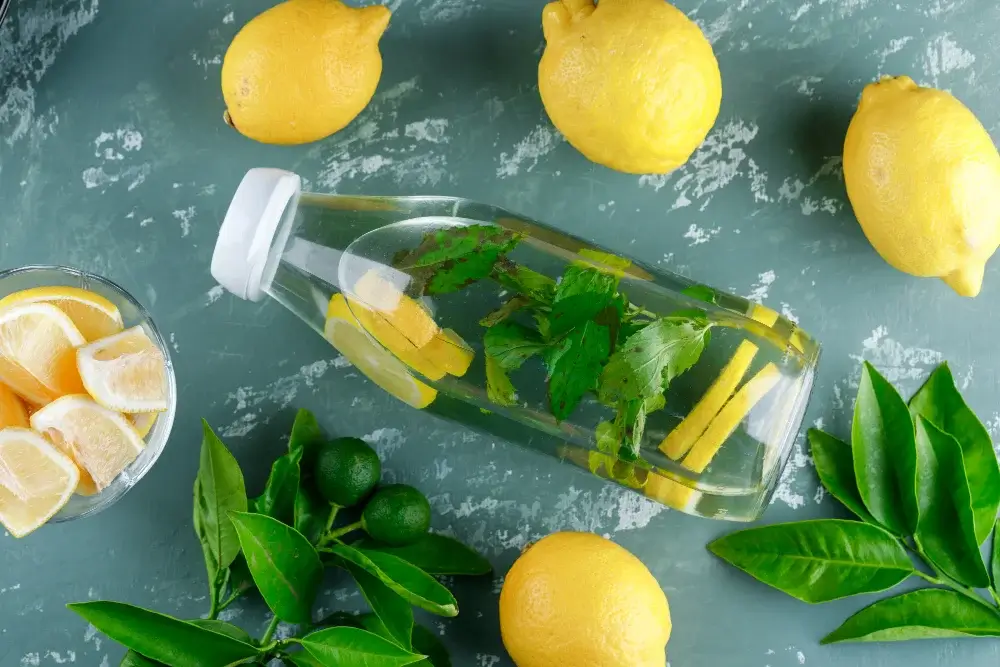
Lemon is the most widely used detox water ingredient in the world, and for good reason.
It is high in vitamin C and citric acid, both of which support liver enzyme activity and digestive function.
A slice of lemon added to cold water releases flavonoids that have mild anti-inflammatory effects.
Lemon water is best consumed in the morning before breakfast for maximum digestive benefit.
2. Cucumber
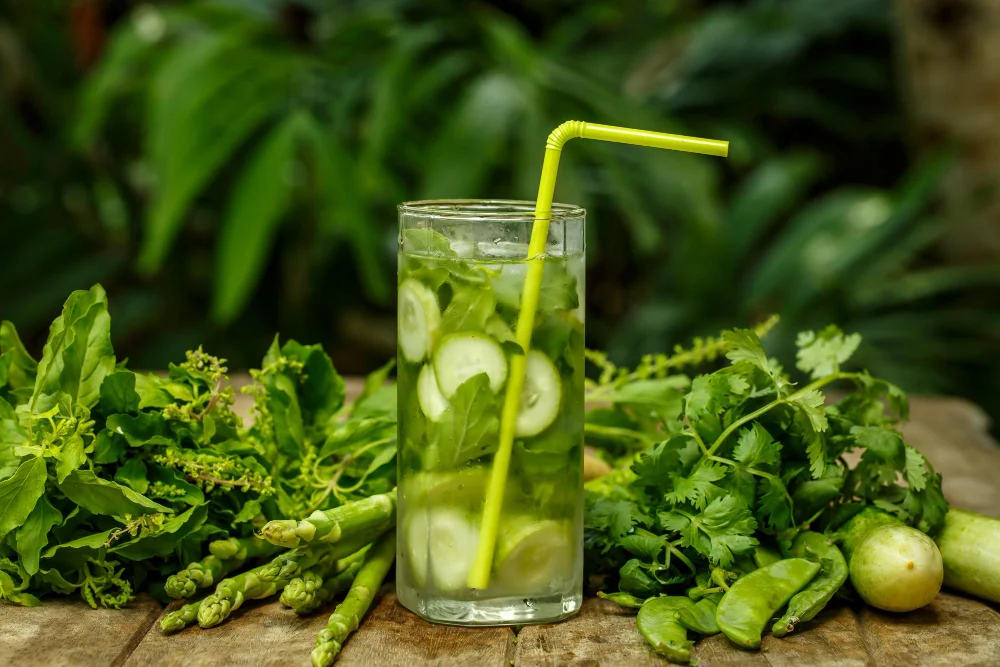
Cucumber is almost entirely water by composition, making it an ideal hydration booster.
It contains silica, a mineral that supports skin elasticity and joint health. Cucumber also carries cucurbitin, a compound linked to mild diuretic effects that may reduce facial puffiness.
The standard ratio is two to three thin slices per 750 ml of water.
3. Fresh Mint (Pudina)
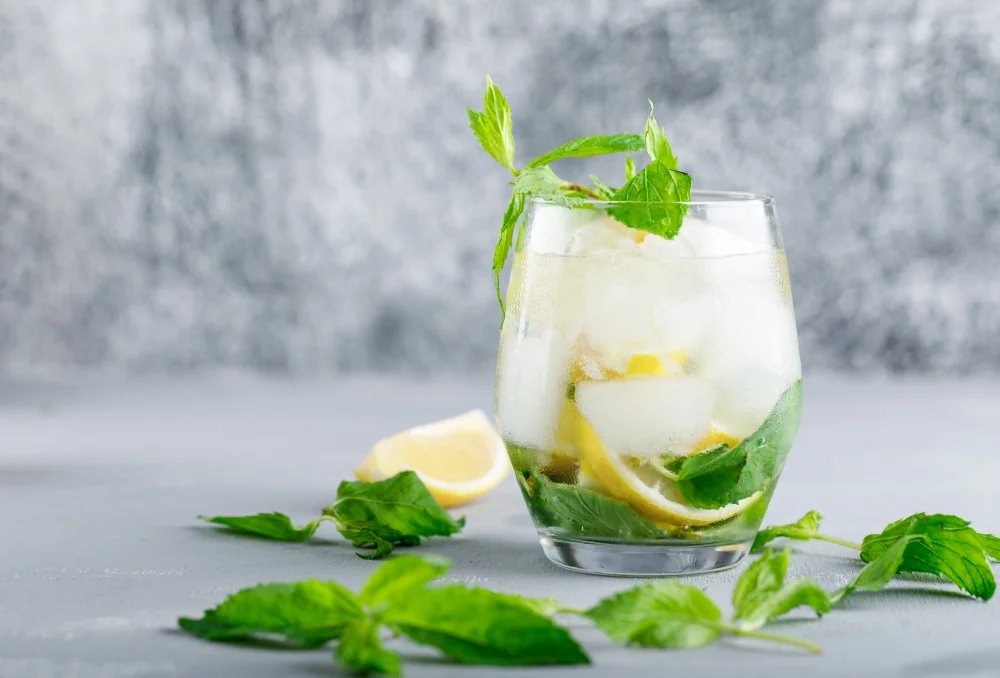
Mint is a staple herb in Pakistani kitchens and one of the most effective detox water additions available locally.
It contains menthol and rosmarinic acid, both of which relax the muscles of the digestive tract and reduce bloating.
Mint-infused water is particularly useful after heavy meals.
4. Ginger
Ginger contains gingerols and shogaols, active compounds with well-documented anti-inflammatory and digestive properties.
Adding a few thin slices of raw ginger to water creates a mildly spicy infusion that stimulates digestive enzyme production.
This makes it useful for people who experience slow digestion or post-meal discomfort.
Ginger detox water is also a traditional remedy for nausea in Pakistani households.
5. Watermelon
Watermelon contains lycopene, a powerful antioxidant linked to cardiovascular health and skin protection.
It also has a high water content, making it one of the most hydrating fruits available during Pakistani summers.
Small cubes of fresh watermelon steeped overnight produce a lightly sweet detox water with no added sugar.
6. Orange
Orange slices release vitamin C, hesperidin, and beta-carotene into water, supporting immune function and collagen synthesis.
The natural sweetness of orange makes it one of the most palatable detox water bases, especially for people transitioning away from sugary drinks.
7. Strawberry
Strawberries are rich in ellagic acid and anthocyanins, antioxidants that support skin health and reduce oxidative stress.
They pair exceptionally well with mint or basil to create a complex, refreshing flavour profile.
Sliced strawberries release their compounds within two to three hours of steeping.
8. Basil (Tulsi)
Basil contains eugenol, linalool, and ursolic acid, compounds with antibacterial and anti-inflammatory properties.
Basil-infused water has a long history in South Asian wellness traditions and is now supported by modern research showing benefits for blood sugar regulation and stress response.
9. Cinnamon
Cinnamon sticks added to warm or cold water release cinnamaldehyde, a compound that supports insulin sensitivity and blood sugar balance.
This makes cinnamon-infused water a particularly useful addition for people managing prediabetes or metabolic syndrome.
One small cinnamon stick per litre is sufficient.
10. Apple
Apple slices contain quercetin, catechins, and pectin, a soluble fibre that feeds beneficial gut bacteria.
Apples add a mild sweetness that makes detox water more appealing without spiking blood sugar significantly.
Green apple varieties work best because of their higher polyphenol content.
11. Pomegranate Seeds
Pomegranate seeds are among the most antioxidant-dense fruits available in Pakistan.
They release punicalagins and anthocyanins into water, compounds with strong anti-inflammatory effects.
A small handful of seeds per litre produces a lightly pink, nutrient-rich infusion.
12. Pineapple
Pineapple contains bromelain, a digestive enzyme that breaks down protein and reduces intestinal inflammation.
It pairs well with mint and ginger to create a tropical detox blend.
Fresh pineapple chunks are preferred over canned, as the canning process destroys most of the bromelain content.
13. Rosemary
Rosemary contains rosmarinic acid and carnosic acid, two antioxidants with neuroprotective and anti-inflammatory properties.
A single sprig of rosemary steeped for four hours creates a subtly aromatic water that pairs well with lemon or cucumber.
Rosemary is increasingly available at grocery stores in major Pakistani cities.
14. Turmeric
Turmeric contains curcumin, one of the most researched anti-inflammatory compounds in natural medicine.
A small pinch of ground turmeric, or a thin slice of fresh turmeric root, added to warm water creates a golden infusion with documented benefits for joint health and liver support.
A pinch of black pepper significantly improves curcumin absorption.
15. Hibiscus (Gul-e-Khitmi)
Hibiscus flowers, known locally as gul-e-khitmi, produce a deep red infusion rich in anthocyanins and organic acids.
Research published in peer-reviewed journals shows hibiscus tea lowers systolic blood pressure in people with mild hypertension.
Dried hibiscus flowers are available at most herbal shops across Pakistan.
16. Fennel Seeds (Saunf)
Fennel seeds contain anethole, a compound with antispasmodic effects on the digestive tract.
Saunf water is a traditional post-meal drink in Pakistani households, used for centuries to relieve gas and bloating.
One teaspoon of whole fennel seeds per litre is the standard preparation.
17. Guava Leaves
Guava leaves contain quercetin and lycopene in concentrations higher than the fruit itself.
Studies show that guava leaf extract reduces blood glucose spikes after meals, making guava leaf detox water a practical option for people monitoring their blood sugar.
Three to four fresh leaves per litre, steeped overnight, produce an effective infusion.
18. Sweet Basil Seeds (Tukh Malanga)
Sweet basil seeds, called Tukh Malanga locally, absorb water and form a gel-like coating rich in soluble fibre.
They support gut health, reduce appetite between meals, and cool the body in hot weather.
19. Lemongrass
Lemongrass contains citral, a compound with antifungal and antimicrobial properties, along with flavonoids that support liver health.
Fresh lemongrass stalks steeped in cold water produce a citrusy, slightly floral infusion. It pairs well with ginger for a digestive-support blend.
20. Kaffir Lime Leaves
Kaffir lime leaves contain limonene and beta-pinene, compounds with detoxifying effects on the liver and anti-nausea properties.
Two leaves per litre are sufficient for a noticeable flavour and benefit profile.
Verified nutritionists are available for consultation in Lahore and other major cities across Pakistan.
Conclusion
The best detox water is the one made with ingredients your body needs most, prepared consistently, and drunk in place of sugary alternatives.
Lemon, mint, ginger, cucumber, and saunf are the five most effective starting points for most people in Pakistan.
Small, sustainable habits built around locally available produce deliver far greater long-term benefit than any packaged supplement or detox product.
Frequently Asked Questions
Lemon is considered the most effective fruit for detox water. It is high in vitamin C and citric acid, both of which support liver function and digestive health.
Most detox water reaches full flavour and nutrient release after two to four hours in the refrigerator. Overnight steeping (eight to ten hours) is ideal for harder ingredients like ginger, cinnamon, and turmeric.
Detox water supports weight management by replacing high-calorie beverages, reducing appetite, and improving hydration. It does not directly burn fat.
Most mild detox water blends using lemon, cucumber, and mint are safe for children. Strong ingredients like turmeric, ginger, and cinnamon should be avoided or used in very small quantities for children under 12.
Two to three glasses of infused detox water daily is a practical target for most adults. Total daily water intake, including plain water, should remain at six to eight glasses minimum.
