




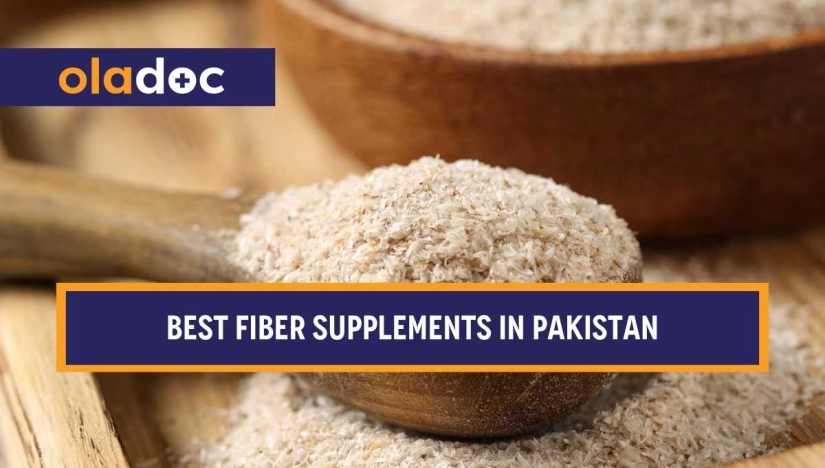
Bloating after almost every meal? Constipation that does not budge no matter what you try? Most of the time, the missing piece is fiber.
Adults need between 25 and 38 grams of fiber a day, and most people fall well short of that. A good supplement closes the gap fast.
This guide compares five real fiber supplement products sold in Pakistan, what each one contains, and what to expect from taking it.
Table of Contents
Quick Answer
Fibo Sachet, Fiberlax, Hamdard Ispaghol Classic, Qarshi Ispaghol, and Fibrocol are five widely available fiber supplements in Pakistan, most built around psyllium husk. Fibo combines wheat dextrin with green tea extract, while Fiberlax, Hamdard, and Qarshi are closer to pure ispaghol husk. Persistent bloating or irregular bowel movements are worth discussing with a gastroenterologist on oladoc before starting any of these regularly.
Key Takeaways
- Most fiber supplements sold in Pakistan are built around psyllium husk, known locally as ispaghol.
- Fibo Sachet combines wheat dextrin fiber with green tea extract for an added metabolic boost.
- Prices range from under Rs. 60 for budget sachets to over Rs. 900 for larger flavored jars.
- All five need to be taken with plenty of water to avoid choking and worsening constipation.
- Long term or daily use should be checked with a doctor, especially alongside other medication.
Why Does Fiber Matter So Much for Digestion?
Fiber adds bulk and softness to stool, which keeps digestion moving smoothly. It does this in two distinct ways.
Soluble fiber dissolves in water and forms a gel. This slows digestion, feeds gut bacteria, and helps lower cholesterol over time.
A clinical study published in the Pakistan Journal of Medical and Health Sciences found that adults with higher fiber intake reported notably better bowel frequency and stool consistency than those eating too little.
Which Fiber Supplement Product Is Best for Digestion in Pakistan?
Fibo Sachet is a strong all round pick, since it pairs wheat dextrin fiber with an added metabolic boost from green tea extract. It suits people who want more than plain fiber.
Fiberlax, Hamdard Ispaghol Classic, and Qarshi Ispaghol are better if a person wants a simple, single ingredient product with a long track record.
Fibrocol works well as a low cost entry point for someone trying a fiber supplement for the first time.
Comparison of the 5 Fiber Supplements
| Product | Manufacturer | Key ingredient | Price (approx) | Prescription needed |
| Fibo Sachet | Hinucon | Wheat dextrin fiber, green tea extract | Rs. 495 | Yes |
| Fiberlax | Herbion Naturals | Ispaghol (psyllium) husk | Rs. 830 to 950 | No |
| Hamdard Ispaghol Classic | Hamdard Laboratories | Plantago ovata husk | Rs. 800 | No |
| Qarshi Ispaghol | Qarshi Industries | Psyllium husk powder | Rs. 844 | No |
| Fibrocol | Biogenics Pharmaceuticals | Psyllium husk | Rs. 57 to 59 | No |
Prices vary by pack size and retailer, and reflect approximate figures at the time of writing.
Top 5 Best Fiber Supplements in Pakistan for Better Digestion
Here is a list of the top 5 fiber supplements sold in Pakistan, with what is actually in each one.
1. Fibo Sachet
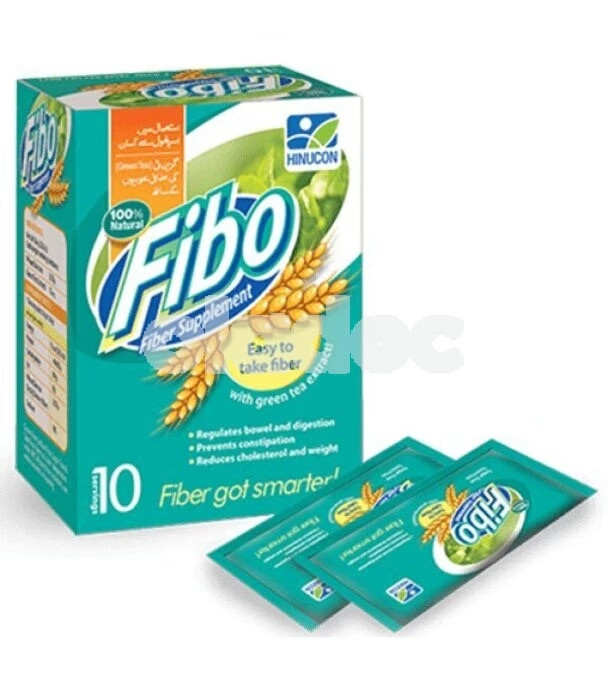
- Ingredients: Wheat dextrin fiber and green tea extract, in a tasteless powder base, made by Hinucon.
- Uses: Constipation, irregular bowel movements, and general digestive support.
- Benefits: Regulates bowel movement and digestion, supports healthy cholesterol levels, aids weight management, and adds antioxidant benefits from the green tea extract.
- Price: Around Rs. 495 per box.
- Side effects: Temporary bloating or gas, and mild stomach discomfort.
- Precautions: Use under medical supervision if pregnant or breastfeeding. A doctor’s prescription is required to purchase Fibo sachet. Since it is wheat derived, anyone with celiac disease or wheat sensitivity should check with a doctor first.
2. Fiberlax
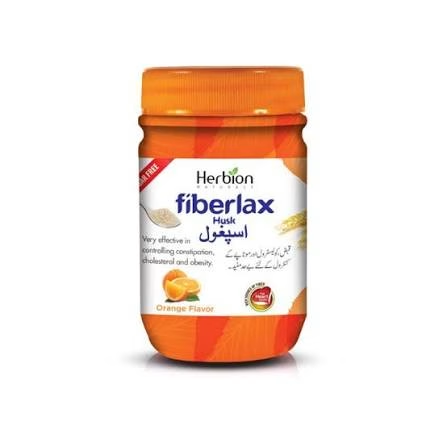
- Ingredients: 100 percent natural ispaghol (psyllium) husk, made by Herbion Naturals, available in plain, orange, lemon, and fruit punch flavors, including sugar free options.
- Uses: Constipation, high cholesterol, and general bowel irregularity.
- Benefits: Improves bowel movement frequency, supports lower cholesterol, and the flavored versions make daily use easier for people who dislike plain husk.
- Price: Roughly Rs. 830 to 950 depending on flavor and jar size.
- Side effects: Mild bloating or gas in the first few days, which usually settles as the body adjusts.
- Precautions: Always mix with a full glass of water and drink right away. Avoid if there is a history of bowel obstruction, and check with a doctor before regular use during pregnancy. Diabetics should choose the sugar free variant.
3. Hamdard Ispaghol Classic
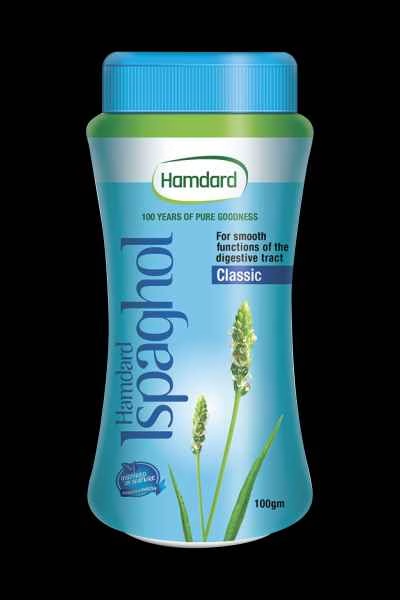
- Ingredients: Plantago ovata husk, made by Hamdard Laboratories, sold as a plain natural fiber powder.
- Uses: Chronic constipation, mild diarrhea, and hyperacidity, since it soothes irritated gastric and intestinal lining.
- Benefits: Bulk forming laxative action that softens stool without increasing flatulence, plus a modest effect on cholesterol and weight.
- Price: Around Rs. 800 for a 100 gram jar, though smaller sachet packs cost less.
- Side effects: Bloating or gas when first introduced, which typically fades within a week.
- Precautions: Not absorbed by the intestine, so it must be taken with enough water. Avoid in cases of bowel obstruction, and use exactly as directed if a doctor has prescribed it for a specific condition.
4. Qarshi Ispaghol
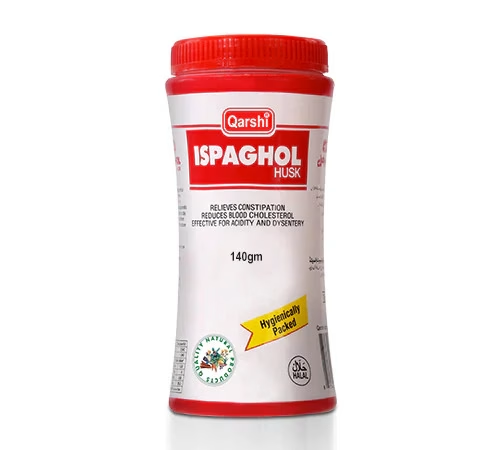
- Ingredients: Psyllium husk powder, made by Qarshi Industries, sold plain without added flavoring.
- Uses: Constipation, and as a supportive measure for blood sugar and cholesterol control.
- Benefits: Forms a gel that softens stool and encourages regular bowel movements, while slowing glucose and cholesterol absorption in the gut.
- Price: Approximately Rs. 844 for an 80 to 95 gram pack.
- Side effects: Overdose can cause severe constipation, abdominal pain, and nausea, so stick to the labeled amount.
- Precautions: Avoid with fecal impaction or active bowel obstruction. Do not take right before or after abdominal surgery without a doctor’s approval.
5. Fibrocol
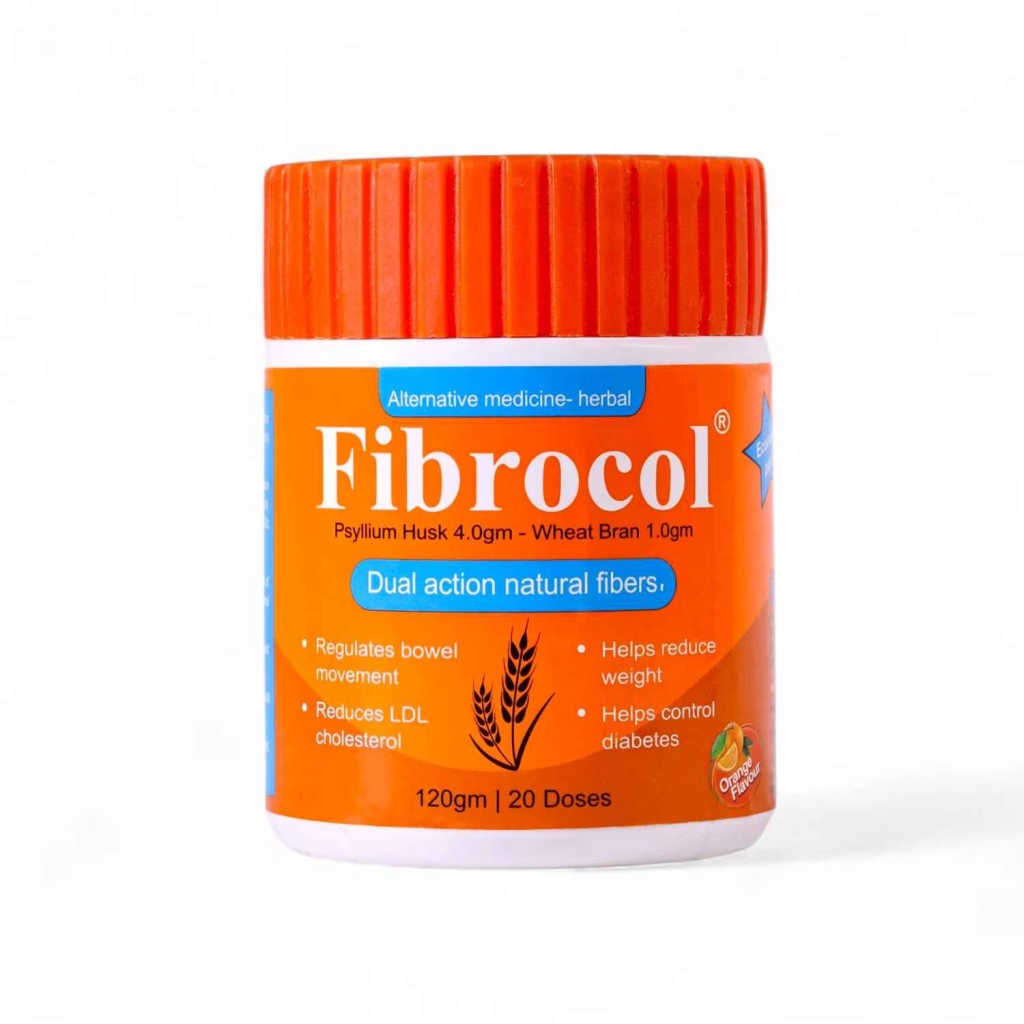
- Ingredients: Psyllium husk, made by Biogenics Pharmaceuticals, sold in single serve sachets at a lower price point than most alternatives.
- Uses: Frequent constipation, along with the bloating and abdominal discomfort that often comes with it.
- Benefits: A budget friendly way to add bulk forming fiber to a daily routine, with the same basic mechanism as pricier psyllium products.
- Price: Around Rs. 57 to 59 for a pack of 10 sachets, among the cheapest options on this list.
- Side effects: Nausea in some users, along with general bloating during the first few uses.
- Precautions: Should not be used for more than 7 days without medical advice. Avoid during active vomiting, diarrhea, or fluid loss, and avoid combining with oral rehydration salts, since the two can interact. Not suitable for anyone with G6PD deficiency.
What Happens When You Take Fiber the Wrong Way?
Adding too much fiber too quickly is the most common mistake, and it usually causes bloating, gas, and cramping. The fix is a slow, gradual increase over one to two weeks.
Skipping water is the second mistake. Every product on this list needs liquid to work, and without it, some can worsen constipation instead of relieving it.
Timing also matters with medication. A Mayo Clinic Q and A recommends taking other medicines one hour before or two hours after a fiber supplement, since fiber can reduce how well certain thyroid, diabetes, and cholesterol medicines are absorbed.
More is not always better either. Mayo Clinic advises against exceeding 50 grams of fiber from supplements in a single day, since that can start to affect nutrient absorption.
How to Get the Best Results From a Fiber Supplement
Water intake decides whether a fiber supplement works at all. Aim for at least eight glasses a day once starting any of these products.
Increase the amount slowly. Start with a small daily dose for the first week, then build up if needed.
A dietitian can help fit a fiber supplement into a full eating plan if constipation ties into a bigger pattern, such as a very low fiber diet overall.
When Should You See a Gastroenterologist at oladoc?
If constipation or bloating sticks around for more than three weeks despite trying one of these products, it is worth getting it looked at by a gastroenterologist rather than waiting it out. The same goes for blood in the stool, sudden weight loss, or pain that keeps coming back.
Conclusion
Fibo Sachet stands out for combining wheat dextrin fiber with green tea extract in one product. Fiberlax, Hamdard Ispaghol Classic, and Qarshi Ispaghol offer a simpler, trusted route for people who want plain psyllium, while Fibrocol works well as a low cost starting point.
Water intake and a gradual increase decide whether any of these actually deliver results. Give the routine a few weeks, and talk to a doctor if nothing improves.
Frequently Asked Questions
Which fiber supplement is best for digestion in Pakistan?
Fibo Sachet offers an added metabolic boost, though plain psyllium products like Fiberlax and Hamdard Ispaghol work just as well for most people.
How much fiber should I take daily?
Most adults need between 25 and 38 grams a day, though needs vary by age and gender.
Can I take these fiber supplements every day long term?
Plain psyllium products are generally safe daily. Fibrocol specifically should not be used beyond 7 days without medical advice.
Do fiber supplements cause side effects?
Mild bloating and gas are common in the first week, and usually settle as the body adjusts.
Is ispaghol the same as psyllium husk?
Yes, ispaghol is the local name for psyllium husk, the main ingredient in four of the five products above.
Can fiber supplements interfere with my medicines?
Yes, take other medicines one hour before or two hours after a fiber supplement to avoid reduced absorption.


