

Book Appointment with the best "General Physicians"
Book AppointmentStruggling with low energy or fertility concerns often sends people searching for natural remedies. Akarkara, a root used in traditional medicine for centuries.
Akarkara, also known as Anacyclus pyrethrum or pellitory root, is a traditional herb linked to fertility support. In men, it may improve sperm quality, testosterone, and libido.
In women, it is traditionally used for hormonal balance and reproductive wellness, though human research on female fertility remains limited. This article looks at what the evidence actually shows for both.
What Is Akarkara?
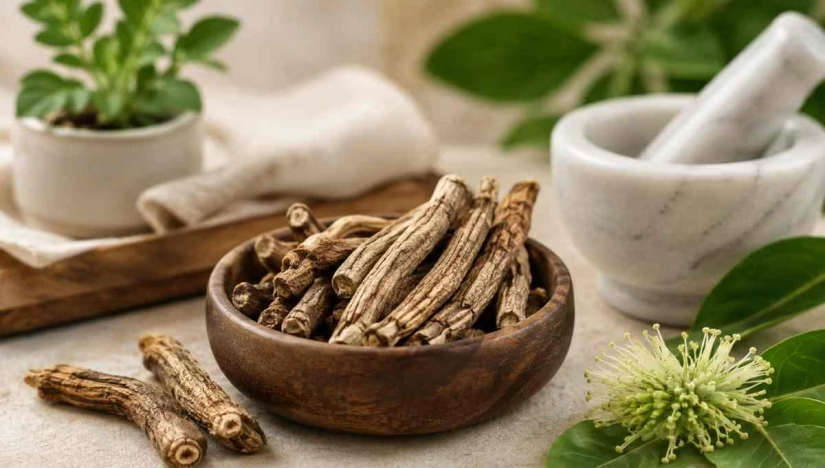
Akarkara is the common name for Anacyclus pyrethrum, a flowering plant also called pellitory root. Its dried root has been used in Ayurvedic and Unani medicine for generations.
The root contains alkylamides, a group of natural compounds. Researchers believe these compounds are behind akarkara’s effects on hormones and reproductive function.
Traditional practitioners have long classified it as an aphrodisiac and general vitality tonic. Modern interest in akarkara largely stems from these historical uses, now being tested in scientific studies.
How Akarkara May Support Male Fertility
Most current research on akarkara and fertility focuses on male reproductive health. Several animal studies point to measurable effects on sperm and hormone levels.
Sperm Count and Motility
Akarkara root extract has been shown to improve sperm count and movement in animal studies. One study found it improved sperm function even when the reproductive system was under chemical stress.
These findings are promising, but they come from animal models, not large human trials. More research is needed before firm conclusions apply to people.
Testosterone and Hormonal Balance
Akarkara may help raise testosterone levels, according to early research. Testosterone plays a direct role in sperm production and overall male reproductive health.
One study on diabetic male rats found akarkara root extract improved testosterone, LH, and FSH levels. These are hormones that regulate the reproductive system.
Libido and Sexual Stamina
Traditional medicine has used akarkara as a natural way to support libido and stamina. Its warming, stimulant properties are the reason it appears in many herbal tonics for men.
Other natural foods are also linked to male reproductive health and energy. For a closer look at one such option, read oladoc’s guide on kishmish benefits for male health.
How Akarkara May Support Female Fertility
Akarkara’s role in female fertility is less studied than its role in men. Most of what is known comes from traditional Ayurvedic and Unani medicine rather than clinical trials.
Hormonal Balance and Menstrual Health
Traditional systems of medicine use akarkara as a tonic to support hormonal balance. A stable hormonal cycle is what keeps ovulation and fertility on track.
Modern human studies specific to women are limited. Most of the available evidence still comes from traditional use rather than controlled research.
Libido and Reproductive Wellness
Akarkara is traditionally included in herbal formulas meant to support female libido and vitality. Practitioners have historically paired it with other herbs for reproductive wellness.
Irregular cycles often come up alongside fertility concerns, and they deserve their own attention. oladoc’s guide on getting pregnant with PCOS covers this in detail.
Akarkara Forms and Typical Dosage
Akarkara is available in a few common forms. The table below outlines how each is typically used.
| Form | Common Use | Typical Dose | Notes |
| Dried root powder | Mixed with honey or milk | 1 to 3 grams daily | Most traditional form |
| Capsules or tablets | Standardized supplement use | As per product label | Easier to dose accurately |
| Root extract or tincture | Concentrated liquid form | A few drops, as directed | Stronger, needs caution |
| Herbal tonic blends | Combined with other herbs | Varies by product | Common in Unani formulas |
Doses vary widely between products and individual needs. A doctor or qualified herbal practitioner should confirm the right amount for a specific situation.
How to Use Akarkara Safely
A few basic precautions make akarkara safer to try.
- Start low: Begin with the smallest suggested dose and watch how the body responds.
- Check the source: Buy from a reputable seller to avoid contamination or mislabeled products.
- Avoid self-diagnosing infertility: Akarkara is not a substitute for proper fertility testing.
- Combine with medical advice: Use it alongside, not instead of, professional guidance.
- Watch for interactions: Mention it to a doctor if other medicines or supplements are in use.
Possible Side Effects and Who Should Avoid It
Akarkara is generally considered safe in small, traditional doses. That said, it is not risk-free for everyone.
- Mouth and throat irritation: The root has a numbing, tingling effect that can irritate sensitive tissue.
- Digestive upset: Some people report nausea or stomach discomfort at higher doses.
- Allergic reactions: Skin rash or swelling can occur in people sensitive to the plant family.
- Pregnancy caution: Its safety during pregnancy has not been well studied, so it’s best avoided.
- Hormone-sensitive conditions: Anyone with a hormone-related condition should check with a doctor first.
Signs It’s Time to Consult a Sexologist at oladoc
A few months on a herbal remedy with no real change is worth flagging. Irregular cycles, low libido, or ongoing difficulty conceiving deserve a proper evaluation, not just a supplement.
A leading sexologist in Karachi can run the right hormonal and reproductive tests to find out what’s actually going on. That’s something a herb alone can’t do.
An early consultation also means any underlying issue gets caught sooner. It’s a small step that can save months of guesswork.
The Takeaway
Akarkara has a long history in traditional medicine as a fertility and vitality tonic. Early research on male fertility looks promising, though it’s still mostly limited to animal studies.
Evidence for female fertility is even thinner and relies mostly on traditional use. Anyone trying akarkara for fertility should treat it as a supplement, not a treatment.
Persistent fertility concerns always deserve a proper medical evaluation. That’s the only way to know what’s really causing the issue.
FAQs
In small, traditional doses, it’s generally considered safe for most healthy adults. Long-term daily use hasn’t been well studied, so breaks are recommended.
Animal studies show it may improve sperm count and motility. Human clinical trials on this specific effect are still limited.
There’s no strong clinical evidence for this in women. Its traditional use focuses on hormonal balance and libido rather than treating infertility directly.
Traditional use suggests several weeks of consistent use before noticing changes. Results vary widely from person to person.
It’s possible, but combining supplements without guidance raises the risk of interactions. Check with a doctor before mixing multiple products.
Pregnant women, people with hormone-sensitive conditions, and anyone on medication should get medical advice first. It’s not recommended without checking for interactions.
Disclaimer: The contents of this article are intended to raise awareness about common health issues and should not be viewed as sound medical advice for your specific condition. You should always consult with a licensed medical practitioner prior to following any suggestions outlined in this article or adopting any treatment protocol based on the contents of this article.