


Antibiotics are some of the most searched, most self-prescribed, and most misunderstood medicines out there. Most people can name two or three, but few know what actually separates one class from another.
This guide breaks down the 7 main antibiotic classes, what each is generally used for, and why picking one yourself is riskier than it sounds.
Table of Contents
Quick Answer
Antibiotics fall into 7 main classes: penicillins, cephalosporins, macrolides, tetracyclines, fluoroquinolones, sulfonamides, and aminoglycosides. Each class works differently and targets different types of bacteria, which is why the right choice depends on the specific infection, not personal preference. A doctor or general physician on oladoc can identify the infection and match it to the correct class, something a symptom alone cannot reliably tell you.
Key Takeaways
- Antibiotics only work on bacterial infections, not viral ones like the common cold or flu.
- There are 7 major antibiotic classes, each targeting different bacteria in different ways.
- By law, antibiotics require a doctor’s prescription in Pakistan, though this is widely bypassed.
- Studies in Pakistan show self-medication rates with antibiotics between 32% and 58%.
- Stopping a course early or picking the wrong class is a leading driver of antibiotic resistance.
Why Do Antibiotics Always Need a Prescription?
Antibiotics only work against bacteria, and different bacteria respond to different drug classes. A doctor needs to identify what is actually causing the infection before picking the right one.
This matters more in Pakistan than the numbers suggest. A study conducted in Islamabad found that 32.5% of people had self-medicated with antibiotics, most commonly with ciprofloxacin, for coughs, colds, sore throats, and fevers.
The same study found that 62.5% of participants believed antibiotics could treat colds and flu. Both are viral, and antibiotics do nothing against a virus.
Self-medicating does not just risk an ineffective treatment. It also contributes directly to antibiotic resistance, a problem the WHO ranks among the top global health threats.
Also Read: Best Fiber Supplements in Pakistan for Better Digestion
How Do Doctors Decide Which Antibiotic to Prescribe?
Doctors match the antibiotic to the infection site, the likely bacteria involved, and the patient’s own history before prescribing anything. Several factors go into that decision.
Doctors typically consider:
- Where the infection is located, since a chest infection and a urinary infection often need different drug classes.
- Known allergies, especially to penicillin, which affects several related classes.
- Local resistance patterns, since some bacteria have already become resistant to certain drugs in a given region.
- Other medications the patient takes, since several antibiotic classes interact with common drugs.
- Kidney or liver function, since some classes are cleared differently and need dose adjustment.
This is exactly the judgment a symptom checklist or a pharmacy counter cannot replace.
Comparison of the 7 Antibiotic Classes
| Class | Example drug | Commonly used for | Key caution |
| Penicillins | Amoxicillin (Amoxil, Ospamox) | Ear, throat, and some skin infections | Most common drug allergy class |
| Cephalosporins | Cefixime (Cefspan) | Respiratory and urinary infections | Cross reacts in some penicillin allergies |
| Macrolides | Azithromycin (Azomax) | Respiratory infections, penicillin allergy alternative | Can affect heart rhythm at high doses |
| Tetracyclines | Doxycycline (Vibramycin) | Acne, some tick borne and respiratory infections | Avoid in children and pregnancy |
| Fluoroquinolones | Ciprofloxacin (Ciprin, Novidat) | Certain urinary and gastrointestinal infections | Tendon and nerve related warnings |
| Sulfonamides | Co-trimoxazole (Septran) | Urinary tract infections | Risk in G6PD deficiency and sulfa allergy |
| Aminoglycosides | Gentamicin | Serious infections, usually hospital administered | Kidney and hearing risk with prolonged use |
7 Types of Antibiotics and What They Generally Treat
Here is a closer look at each of the 7 major antibiotic classes and what makes each one different.
1. Penicillins
Penicillins were the first modern antibiotic class and remain one of the most widely prescribed today. They work by breaking down the bacterial cell wall.
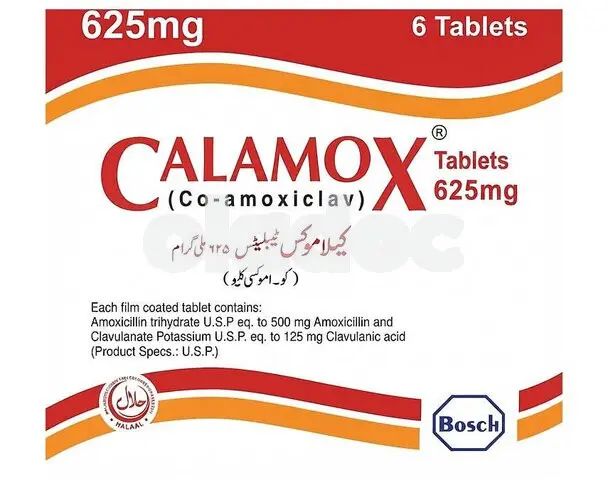
They are commonly used for ear infections, strep throat, and some skin infections. In Pakistan, amoxicillin is commonly sold as Amoxil or Ospamox, and the combination form with clavulanic acid as Augmentin. Penicillin allergy is also the most frequently reported drug allergy, so this history matters before any prescription.
2. Cephalosporins
Cephalosporins are structurally related to penicillins but tend to cover a broader range of bacteria. They are grouped into generations, with later generations targeting more resistant strains.
Doctors commonly reach for this class for respiratory and urinary infections, and cefixime is widely known in Pakistan under the brand name Cefspan. Around 1 to 10% of people with a penicillin allergy may also react to cephalosporins, which is why allergy history gets checked first.
3. Macrolides
Macrolides work by stopping bacteria from producing proteins they need to survive. They are a common alternative for patients who cannot take penicillin.
This class is frequently used for respiratory infections and certain atypical bacteria that other classes do not reach as effectively. Azithromycin, commonly sold in Pakistan as Azomax, is the best known example. High doses have been linked to heart rhythm changes in people with existing heart conditions.
4. Tetracyclines
Tetracyclines also block bacterial protein production, but through a different mechanism than macrolides. They are well known for treating acne alongside certain infections, and doxycycline is commonly sold in Pakistan as Vibramycin.
This class should be avoided in children under 8 and during pregnancy, since it can permanently discolor developing teeth. Sun sensitivity is another common side effect worth knowing about.
5. Fluoroquinolones
Fluoroquinolones are a powerful class typically reserved for infections that have not responded to other options. Ciprofloxacin, sold in Pakistan under brand names including Ciprin and Novidat, is the best known example.
This is also the class most frequently misused through self-medication, according to Pakistani research on the topic. Regulatory warnings exist for tendon rupture, nerve damage, and mental health effects, which is why this class is not a first line, casual choice.
6. Sulfonamides
Sulfonamides work by blocking a step in bacterial folic acid production that human cells do not rely on the same way. Co-trimoxazole, one of the most recognized names in Pakistani households under the brand Septran, is the most common drug in this class.
They are commonly used for urinary tract infections. People with G6PD deficiency or a known sulfa allergy need an alternative, since reactions in this group can be severe.
7. Aminoglycosides
Aminoglycosides are a potent class generally reserved for serious infections, often administered in a hospital setting rather than taken as a home tablet.
Gentamicin is a well known example. Extended use carries real risk to kidney function and hearing, which is why this class is closely monitored rather than self-administered.
What Happens When Antibiotics Are Misused?
Misuse mainly happens two ways: taking an antibiotic when it is not needed, or stopping a real course too early. Both feed the same problem.
The Islamabad study referenced earlier found that 43.1% of people stopped their antibiotics as soon as symptoms improved, rather than finishing the full course. This lets partially resistant bacteria survive and multiply.
Over time, this pattern is what produces bacteria that no longer respond to standard treatment, forcing doctors toward stronger, more limited, and more expensive options.
Also Read: Best Sex Timing Tablets in Pakistan
When Should You See a Doctor Instead of Guessing?
If an infection lasts more than a few days, comes with a high fever, or does not improve with rest and fluids, it’s worth seeing a general physician rather than assuming which antibiotic to buy. Oladoc’s own physician guidance puts it plainly: self-medicating puts the body through unnecessary risk that a proper diagnosis avoids.
A GP can quickly tell whether an infection is even bacterial, and refer to a specialist if the case needs one.
Conclusion
The 7 antibiotic classes each target bacteria differently, which is exactly why no single one works for every infection. Picking blind, especially with fluoroquinolones like ciprofloxacin, is where most self-medication mistakes happen in Pakistan.
Getting a proper diagnosis first is not just the safer choice. It is also the only way to know the antibiotic will actually work.
Frequently Asked Questions
What are the 7 main types of antibiotics?
Penicillins, cephalosporins, macrolides, tetracyclines, fluoroquinolones, sulfonamides, and aminoglycosides.
Can antibiotics treat a cold or the flu?
No, colds and flu are viral infections, and antibiotics only work against bacteria.
Why do antibiotics require a prescription in Pakistan?
Because matching the right class to the right infection needs a diagnosis, and using the wrong one contributes to antibiotic resistance.
What happens if I stop antibiotics early?
Stopping as soon as symptoms improve, rather than finishing the course, is one of the main drivers of antibiotic resistance.
Which antibiotic class is most commonly misused in Pakistan?
Fluoroquinolones, particularly ciprofloxacin, show up most often in self-medication research from Pakistan.
Are all antibiotic classes equally strong?
No, some like aminoglycosides are reserved for serious infections, while others like penicillins are used for milder, common infections.