

Book Appointment with the best "General Physicians"
Book AppointmentMany people live with symptoms they never link to nutrition. Leg cramps at night, constant tiredness, trouble sleeping; these complaints are so common that most people assume they are just part of daily life.
The real cause is often a shortage of one essential mineral: magnesium. Millions of people do not get enough of it, and many never find out why they feel the way they do.
Magnesium deficiency is frequently underdiagnosed because symptoms often do not appear until levels become severely low.
Knowing the warning signs early can make a real difference to your health.
What Are Magnesium Deficiency Symptoms?
Magnesium deficiency, also called hypomagnesemia, happens when the body does not have enough magnesium to carry out its normal functions.
Magnesium supports over 300 chemical reactions in the body, including muscle function, nerve activity, energy production, and heart health.
When levels fall too low, the body sends warning signals through a range of physical and mental symptoms.
Common Signs of Magnesium Deficiency
The signs of magnesium deficiency range from mild to serious. Some show up early; others only appear when levels have dropped quite low.
1. Muscle Cramps and Spasms
Nighttime leg cramps are among the most commonly reported complaints linked to low magnesium.
The muscles tighten on their own because magnesium normally helps them relax between contractions. Cramps that wake you from sleep regularly are worth investigating.
2. Fatigue and Weakness
Persistent tiredness that rest does not fix is a common early sign. This kind of fatigue is different from ordinary tiredness. It lingers even after a full night’s sleep and often comes with a general sense of heaviness or weakness in the body.
3. Poor Sleep and Anxiety
Magnesium plays a key role in calming the nervous system. Low levels are closely linked to sleep disorders, anxiety, and restlessness.
This connection exists partly because magnesium supports GABA, a brain chemical that promotes relaxation and helps the mind quiet down at night.
4. Irregular Heartbeat
Heart palpitations, the sensation that the heart is racing, pounding, or skipping beats, can be a sign of low magnesium.
Magnesium helps keep the heart’s electrical signals steady. Without enough of it, the rhythm can become irregular.
5. Numbness and Tingling
A pins-and-needles feeling in the hands, feet, or face can point to low magnesium. This is called paresthesia, and it happens because magnesium is essential for healthy nerve signaling.
When levels drop, nerves can misfire and send abnormal sensations.
6. Nausea and Loss of Appetite
Feeling nauseous or having a reduced appetite can be early signs of low magnesium.
These symptoms often appear before the more obvious physical signs do, which is why they are easy to dismiss or attribute to something else.
7. Headaches and Migraines
Magnesium deficiency is associated with migraines and frequent headaches.
People who experience migraines regularly without a clear trigger may have low magnesium as a contributing factor.
Research shows magnesium supplementation can reduce migraine frequency in some individuals.
8. Bone Weakness Over Time
Magnesium works alongside calcium and vitamin D to keep bones strong. Long-term deficiency raises the risk of bone thinning, which weakens bones and increases the chance of fractures.
This risk is often overlooked because bone changes happen slowly over the years.
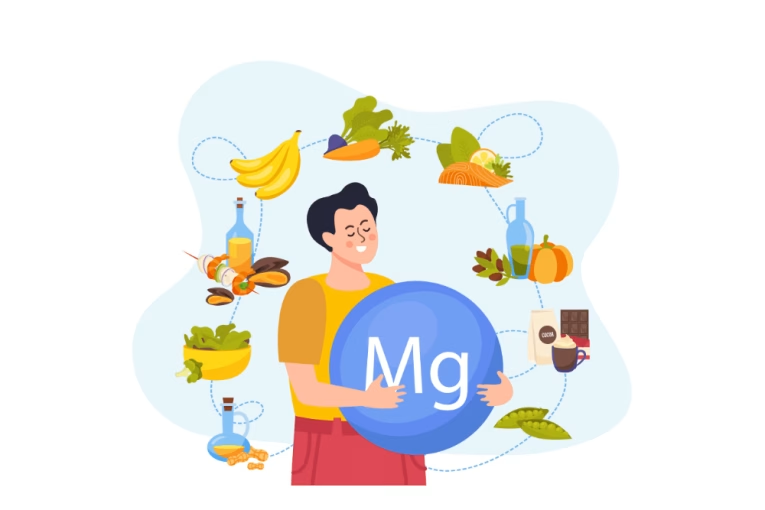
Best Foods High in Magnesium
The most reliable way to raise magnesium levels is through food. Several affordable, widely available options are excellent sources.
- Spinach: One of the richest plant sources of magnesium, and easy to include in everyday cooking
- Almonds and pumpkin seeds: Small portions provide a high magnesium content per serving
- Lentils and chickpeas: Everyday staples and a solid magnesium source
- Whole grains: Brown rice, whole wheat, and oats contain significantly more magnesium than refined versions.
- Bananas: Convenient, affordable, and a useful daily source
- Dark chocolate: A small amount provides meaningful magnesium along with antioxidants
- Fish: Mackerel and salmon are among the highest magnesium animal sources
Limiting highly processed foods, excess caffeine, and sugary drinks also helps the body retain more magnesium. These items actively reduce the amount the body absorbs and keeps.
How Magnesium Deficiency Is Diagnosed
A doctor can check magnesium levels through a simple blood test.
However, subclinical magnesium deficiency, where levels are low but not yet severely so, does not always show up clearly on a standard blood test.
Symptoms can be present even when results appear borderline normal.
A urine test can also help assess how much magnesium the body is losing.
If a deficiency is confirmed, a doctor will usually recommend dietary changes first.
Supplements should be taken only under medical guidance, especially for people with existing kidney or heart conditions. If you need further guidance, certified nutritionists are available for consultation in Lahore.
The Takeaway
Magnesium deficiency is more common than most people realize, and its symptoms are easy to mistake for ordinary tiredness or stress.
Muscle cramps, poor sleep, fatigue, and heart palpitations can all point to low magnesium levels. Including magnesium-rich foods in daily meals is the most practical first step.
A doctor should be consulted if symptoms persist or keep coming back.
Frequently Asked Questions
The earliest signs are usually muscle cramps, fatigue, and poor sleep. Nausea and a reduced appetite can also appear before more obvious physical symptoms develop.
A pattern of symptoms together, regular leg cramps at night, fatigue, trouble sleeping, and tingling in the hands or feet, can suggest low magnesium. A blood test from a doctor confirms the level accurately.
Spinach, lentils, chickpeas, almonds, pumpkin seeds, bananas, and whole wheat are all strong sources. Including two or three of these in daily meals helps maintain healthy magnesium levels.
Disclaimer: The contents of this article are intended to raise awareness about common health issues and should not be viewed as sound medical advice for your specific condition. You should always consult with a licensed medical practitioner prior to following any suggestions outlined in this article or adopting any treatment protocol based on the contents of this article.