




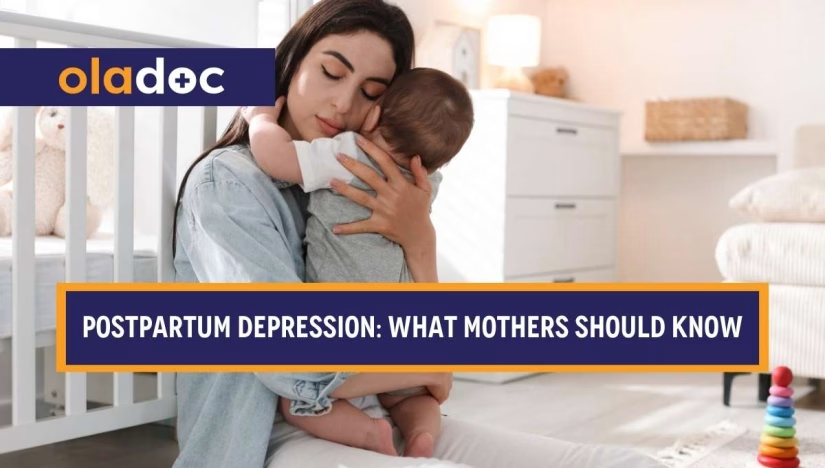
Having a baby is supposed to feel like a celebration. But for many new mothers, the weeks after childbirth feel nothing like that.
They feel sad, exhausted, overwhelmed, or completely disconnected from their baby. And they feel guilty for feeling that way.
This is not a character flaw. It is not weakness. It is postpartum depression, and it affects far more women than most people realize.
A study conducted across South Punjab found that over 41% of new mothers showed signs of postpartum depression. That is nearly 1 in 2 women. Yet most of them never got help.
This article explains what postpartum depression is, why it happens, who is most at risk, and what can actually help.
Table of Contents
What Is Postpartum Depression?
Postpartum depression is a mental health condition that develops after childbirth. It goes well beyond the baby blues, which are mild mood changes that usually fade within two weeks.
Postpartum depression is longer-lasting, more intense, and affects a mother’s ability to care for herself and her baby.
It can start within days of giving birth or develop gradually over the first few months. Either way, it is a medical condition, not a personal failure.
Warning Signs to Watch For
Postpartum depression does not always look like obvious sadness. Many mothers describe it as feeling empty, numb, or unlike themselves.
Common signs include:
- Feeling sad, hopeless, or tearful most of the time
- Having little interest in the baby or feeling unable to bond with them
- Feeling like a bad mother, even when doing everything right
- Difficulty sleeping, even when the baby is asleep
- Losing appetite or eating far more than usual
- Struggling to concentrate or make simple decisions
- Withdrawing from family and friends
- Feeling irritable, angry, or anxious without a clear reason
- In severe cases, having thoughts of harming oneself
If these feelings last more than two weeks, it is important to speak to a doctor. These are not signs of weakness. They are signs that the brain needs support.
Baby Blues vs Postpartum Depression: What Is the Difference?
Almost all new mothers experience some form of emotional sensitivity in the first week after delivery. This is called the baby blues.
Baby blues usually involve mood swings, crying, and feeling overwhelmed. They pass on their own within 10 to 14 days.
Postpartum depression is different. It does not go away on its own. It gets worse over time and affects daily functioning.
If a mother is still feeling deeply low after two weeks, that is the signal to seek help.
Why Does Postpartum Depression Happen?
There is no single cause. Postpartum depression develops when multiple stressors come together at the same time.
Physical Changes in the Body
After delivery, the body goes through a dramatic hormonal shift. Estrogen and progesterone, which were very high during pregnancy, drop sharply.
This sudden drop can affect mood, sleep, and energy levels. Add sleep deprivation and physical recovery from childbirth, and the body is under enormous strain.
Lack of Support
Women who felt unsupported by family or their partner were among the most affected. The research found that mothers with low social support had significantly higher depression scores.
When a new mother feels alone in her responsibilities, the emotional weight becomes too heavy to carry.
Past History of Depression
Women who had experienced depression before pregnancy were at a significantly higher risk. The research found that 74% of women with a prior history of depression developed postpartum depression.
This does not mean it is inevitable. It means these women need closer monitoring and more support after delivery.
Financial Stress and Unemployment
Money worries are a major trigger. Women who were unemployed developed postpartum depression at a rate of 63%, compared to lower rates among working women.
Financial dependence and limited autonomy add invisible pressure to an already demanding period.
Living in a Rural Area
Nearly 60% of rural women in the study showed signs of postpartum depression, compared to lower rates among urban women.
Rural mothers face harder access to healthcare, stronger cultural stigma around mental health, and fewer professional resources nearby.
The Silence Around Postpartum Depression in Pakistan
In Pakistani culture, new mothers are expected to feel grateful and joyful. Expressing sadness after the birth of a baby is often seen as something to hide.
This silence is dangerous. When women cannot speak openly about what they are feeling, depression goes untreated for months, sometimes years.
Families play a critical role here. When those around a new mother recognize that something is wrong and respond with compassion rather than judgment, outcomes improve dramatically.
What Actually Helps
Postpartum depression is treatable. With the right support, most women recover fully.
Talk to a Doctor
The first step is speaking to a doctor honestly. A doctor can assess the severity of symptoms and suggest the right path forward, which may include therapy, medication, or both.
There is no shame in needing help. A mother who gets treatment is a better mother for it.
Ask for Help at Home
Practical support matters as much as emotional support. When family members take over feeding, cooking, or night duties, a mother gets the rest she needs to recover.
Partners and in-laws should be active participants in postpartum care, not just observers.
Connect With Other Mothers
Isolation makes depression worse. Talking to other mothers, whether in person or in online groups, can reduce the sense of being alone in the experience.
Sleep When Possible
Sleep deprivation is both a symptom and a trigger of postpartum depression. Accepting help with night feeds to get longer stretches of sleep can make a real difference.
When to Consult a Specialist
A doctor should be consulted if sadness, numbness, or anxiety persist beyond two weeks after delivery.
Immediate help is needed if a mother has thoughts of harming herself or her baby. This is a medical emergency.
Verified psychiatrists and mental health specialists are available for consultation in Lahore, Karachi, Islamabad, and Rawalpindi.
The Takeaway
Postpartum depression is one of the most common complications of childbirth in Pakistan. It is also one of the most under-reported.
Women who are isolated, financially stressed, living in rural areas, or who have a history of depression are at greater risk. But postpartum depression can affect any mother, regardless of her circumstances.
The most important thing to understand is this: it is not the mother’s fault, and it does not have to be suffered in silence.
With the right support, including medical care, family involvement, and open conversations, recovery is possible for every mother.
Frequently Asked Questions
How long does postpartum depression last?
Without treatment, postpartum depression can last months or longer. With appropriate care, most women begin to feel better within a few weeks of starting treatment.
Can postpartum depression affect the baby?
Yes. Untreated postpartum depression can make it harder for a mother to bond with and respond to her baby. Early treatment protects both the mother and the child.
Is postpartum depression common in Pakistan?
Research from South Punjab found that over 41% of new mothers showed signs of probable postpartum depression. It is far more common than most families realize.
Does postpartum depression only happen after the first baby?
No. Postpartum depression can develop after any pregnancy, including second or third births. Women who had it before are at higher risk of experiencing it again.
What is the difference between baby blues and postpartum depression?
Baby blues are mild mood changes that resolve within two weeks after delivery. Postpartum depression is more severe, lasts longer, and requires medical attention.
