




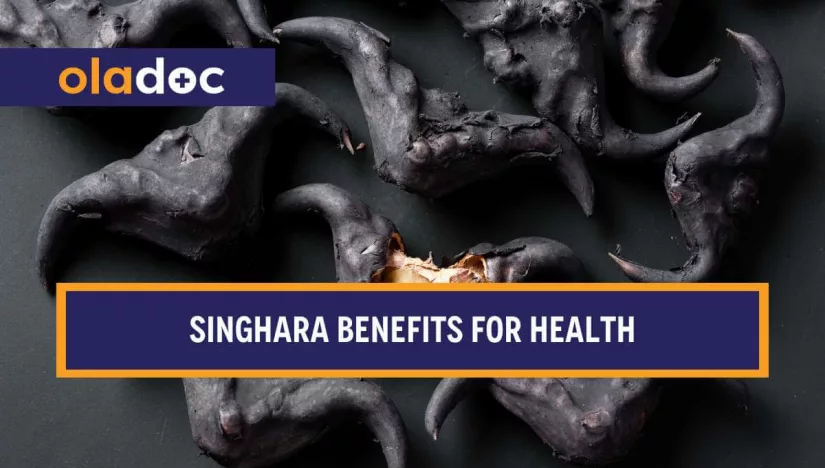
Singhara, also known as water chestnut, is a tuber vegetable found in Southeast Asia, China, Africa, and many other islands of India and the Pacific oceans. They have an uneven shape and are harvested when they turn into a blackish-brown color. This low-calorie and energy-rich vegetable is packed with antioxidants that are very beneficial for the body.
Table of Contents
Key Takeaways
- Singhara is a low-calorie, nutrient-rich vegetable that supports heart health, blood sugar control, weight management, and overall wellness.
- Its fiber and antioxidants promote gut health, boost energy, support healthy hair, and may help prevent chronic diseases.
- Singhara can be eaten raw, boiled, or cooked in various dishes, and is naturally gluten-free.
- Overeating may cause digestive issues, and allergies are possible, so moderation is important.
List Of Singhara Benefits For Health
Following is a list of 10 amazing singhara benefits for your health:
1. Low in Calories
This extraordinary vegetable is surprisingly low in calories; as low as 97 calories for 100g of raw water chestnuts. Despite this low-calorie profile, singhara is rich in nutrients like protein, carbohydrates, fiber, potassium, magnesium, vitamin B6, and riboflavin.
In addition to this water chestnut is an excellent source of antioxidants. Antioxidants are compounds that neutralize the free radicals in the body. Free radicals in the body contribute to the development of cancer in the body if not kept in check.
2. Singhara Prevents Cancer
As discussed above, singhara is full of antioxidants that prevent the formation of free radicals in the body and consequently prevent cancer later in life. A notable antioxidant in water chestnut is called ferulic acid and studies show that it kills and slows the growth of cancer cells.
Not only cancer but also prevents the formation of other chronic diseases like heart disease and type 2 diabetes.
3. Reduces The Risk of Heart Disease
Uncontrolled blood pressure and an increase in blood cholesterol levels in the body cause heart disease to be developed later in life. Singhara has long been used to prevent the chances of heart disease because it keeps your blood pressure under control.
This is due to the high content of potassium in singhara which not only controls your blood pressure but also prevents chances of having a stroke.
Half a cup of singhara contains about 362 mg of potassium. Simply adding this to your diet controls the risk of heart disease in your body.
4. Controls Blood Sugar
Eating fiber-rich and low-sugar foods like singhara helps in controlling blood sugar levels. The fiber-rich foods absorb starch slowly and help to balance the glucose level in the body. Hence, singhara is great for people with diabetes. It is a great source of nutrition and tastes good too.
5. Helps in Weight Loss
Singhara is a great source of fiber and is low in calories. It is a great option for a snack, it provides health benefits and also gives the feeling of a full stomach. The rich fiber content maintains gut movement and suppresses the appetite and helps in weight maintenance.
Furthermore, singhara is a high-volume food meaning that it contains a lot of water (74% to be exact) in raw form. This also helps in weight loss because these types of food have fewer calories in them and help you feel full for a longer period.
6. Singhara is Gluten Free
People who suffer from celiac disease or people who generally prefer a gluten-free diet can take advantage of water chestnuts.
These are gluten-free vegetables and can be used to cook a variety of foods. Singhara can also be made into flour and this flour can be used to make chapatis instead of using wheat flour chapatis.
7. Full of Energy
The best thing about singhara is that it is a high source of energy. It contains nutrients like potassium, iron, and vitamin B6 that your body needs daily.
Foods that are consumed naturally are the best source of these vitamins and minerals and singharas are no exception to this.
8. Improves Gut Health
As discussed earlier, water chestnuts are great for weight loss. This possesses fiber-rich content. This improves the peristalsis of the gut and balances the water absorption in the body hence relieving constipation.
Consuming at least 10-15 g of singhara every day is recommended but be mindful of overeating it as it may aggravate constipation instead of helping it.
9. Promotes Hair Growth
Singhara is rich in vitamins and minerals, particularly vitamin E, zinc, and potassium which are essential for hair. They keep the hair shiny and healthy. The water content in water chestnuts also contributes to keeping hair moisture in check.
10. Singhara for Urinary Tract Infection
Singhara is good for treating a UTI. This is because it contains antioxidants and is anti-inflammatory. Singhara in powder form has been used in treating UTI, it helps to relieve the symptoms and reduces the inflammation in the bladder.
Side Effects of Singhara
Singhara is beneficial when consumed in moderation, but overconsumption or allergies can cause problems. Key side effects include:
- Overeating may worsen gut health and cause nausea, vomiting, or stomach ache.
- Allergic reactions can be serious and potentially life-threatening.
- Symptoms of an allergy may include redness, itchiness, hives, or swelling. Seek medical help immediately if this occurs.
How to Use Singhara
Singhara can be eaten raw or cooked lightly and then consumed. Some people also use them in various dishes to add texture and flavour to their dishes. The skin of the singhara is cut with a knife and the flesh is eaten. In Pakistan, it is common to boil the water chestnut so that it is easier to remove the skin.
They are also used in dishes like chop suey, curries, stir the fire, wraps where they can be chopped up or sliced. People also pickle water chestnut and use it as a side dish or as a snack. Singhara can also be made into a powder to be used in gravies.
Conclusion
Singhara or water chestnut is an excellent source of antioxidants and fiber that fight cancer-causing cells and help improve gut health. It is great for maintaining weight and leads to healthy hair.
Singhara can be eaten raw on its own or can be consumed in different foods. It has been used in South Asia for decades and its benefits have been known for a long time.
FAQs About Singhara
Singhara is called water chestnut in English.
It is low in calories, nutrient-rich, supports heart health, blood sugar control, weight management, gut health, and energy levels.
Singhara can be eaten raw, boiled, or lightly cooked. It can also be used in dishes or made into flour.
Yes, Singhara is naturally gluten-free and suitable for people with celiac disease or those following a gluten-free diet.
Overeating may cause digestive issues, and allergies are possible. Consume in moderation.
Yes, its high fiber and water content help you feel full, supporting weight management.
Yes, its vitamins and minerals support healthy hair, and its anti-inflammatory properties may help with urinary tract health.


