




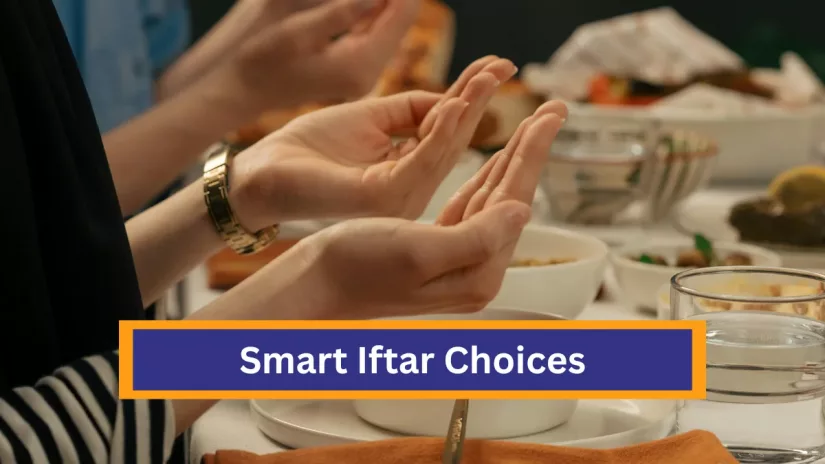
After a long day of fasting during Ramadan, it is natural to crave fried snacks and sweet drinks. However, traditional heavy Iftar spreads such as pakoras, samosas, and sugary sherbets often lead to rapid blood sugar spikes followed by sudden fatigue.
Making smart Iftar choices that prevent energy crashes can help stabilize blood glucose, support digestion, and maintain steady energy levels for Taraweeh prayers and evening activities.
Table of Contents
Key Takeaways
- Limit dates to 1–2 pieces and avoid sugary drinks.
- Include protein sources such as daal, grilled chicken, chana, or yogurt.
- Replace fried snacks with baked or air-fried alternatives.
- Choose whole wheat roti instead of refined flour items.
- Eat gradually rather than overeating at once to maintain stable blood sugar and sustained energy.
Why Do Energy Crashes Happen After Iftar?
During fasting, the body uses stored glycogen for energy. By sunset, blood glucose levels are lower and insulin sensitivity increases. If large amounts of refined carbohydrates or sugary drinks are consumed suddenly, blood sugar rises rapidly.
The pancreas releases insulin to control this spike. In some individuals especially those with insulin resistance or prediabetes blood sugar may drop quickly afterward, leading to symptoms such as:
- Sleepiness
- Headache
- Brain fog
- Irritability
- Strong sugar cravings
This pattern is commonly referred to as a post-meal blood sugar crash.
What Are Smart Iftar Choices That Prevent Energy Crashes?
Healthy Iftar meals typically include a balanced combination of:
- Moderate carbohydrates
- High-quality protein
- Fiber
- Healthy fats
- Adequate hydration
This balance slows digestion, regulates insulin response, and provides sustained energy instead of a short burst followed by fatigue.
How to Break Your Fast the Healthy Pakistani Way
Start with Dates But Limit the Quantity
Dates are a traditional food that provide natural sugars for gentle energy restoration. However, it is best to limit intake to 1–2 dates with water.
Eating too many dates at once may cause an excessive rise in blood sugar. Pairing dates with protein later in the meal helps improve glucose stability.
Add Protein Early in the Meal
Protein slows glucose absorption and reduces the risk of sudden energy crashes.
Healthy desi Pakistani protein-rich options include:
- Daal (masoor, moong, or chana)
- Grilled chicken tikka
- Chicken yakhni soup
- Boiled eggs
- Chana chaat with minimal potatoes
- Plain yogurt (dahi)
Including protein early in the meal increases satiety and helps prevent overeating later in the evening.
Upgrade Fried Snacks to Healthier Versions
Deep-fried pakoras and samosas are common at Iftar but often lead to heaviness and fatigue.
Healthier alternatives include:
- Baked samosas
- Air-fried pakoras
- Besan chilla with vegetables
- Sprouted moong chaat
- Grilled bhutta (corn)
Reducing excess oil intake can lower inflammation and support easier digestion.
Choose Better Carbohydrates for Sustained Energy
Refined flour foods such as white naan and paratha digest quickly and can spike blood sugar.
Better alternatives include:
- Whole wheat roti
- Small portions of brown rice
- Bajra or jowar roti
- Sweet potato (shakarkandi)
These complex carbohydrates release glucose gradually, helping maintain steady energy throughout the evening.
Example of a Balanced Pakistani Iftar Plate
A balanced, energy-stable Iftar may include:
- 1–2 dates with water
- A small bowl of chicken yakhni soup
- Chana chaat
- Grilled chicken tikka
- One whole wheat roti
- Fresh salad
- Plain yogurt
This combination provides protein, fiber, healthy fats, electrolytes, and moderate carbohydrates, preventing rapid blood sugar spikes.
Foods That Commonly Cause Energy Crashes
Certain traditional foods are best enjoyed occasionally because of their high sugar or oil content, including:
- Deep-fried pakoras
- Samosas
- Jalebi
- Gulab jamun
- Sweet custards
- Excess Rooh Afza
These foods digest quickly and may trigger insulin surges followed by fatigue.
Medical Benefits of Smart Iftar Choices
Balanced Iftar meals provide several important health benefits:
- Help maintain stable blood sugar levels, especially for individuals with prediabetes, type 2 diabetes, insulin resistance, or PCOS
- Reduce bloating, acid reflux, and digestive discomfort caused by heavy fried foods
- Improve energy levels and focus during Taraweeh prayers
- Reduce late-night sugar cravings
- Support healthy weight management during Ramadan
The Two-Phase Iftar Method
Instead of consuming a heavy meal immediately after breaking the fast, try the two-phase Iftar approach:
- Break your fast with dates and water.
- Perform Maghrib prayer.
- Return to eat a balanced main meal slowly.
This method helps regulate appetite hormones, prevent overeating, and support better digestion.
Special Considerations
For Individuals with Diabetes
- Monitor blood sugar before and after Iftar.
- Limit dates to one or two pieces.
- Avoid sugary drinks.
- Consult your physician before fasting.
For Older Adults
Older adults may benefit from smaller meal portions and softer protein sources such as daal and yogurt. Staying well hydrated is also important, especially in hot climates.
Hydrating foods such as cucumber and yogurt-based dishes can help prevent dehydration-related fatigue.
For Teenagers and Young Adults
Teenagers and young adults should:
- Include protein-rich foods at Iftar
- Limit sugary beverages
- Eat balanced meals to maintain energy for prayers, studying, and evening activities
Conclusion
Choosing smart Iftar options does not mean giving up traditional desi foods. With mindful preparation, balanced portions, and adequate hydration, you can enjoy familiar meals while maintaining stable blood sugar and sustained energy.
A balanced Iftar supports healthy metabolism, better digestion, and improved physical and spiritual well-being during Ramadan.
If you have a chronic condition such as diabetes or hypertension, consult a qualified healthcare professional before making significant dietary changes during fasting.
Frequently Asked Questions
Healthy options include daal, grilled chicken tikka, chana chaat (with minimal potatoes), whole wheat roti, yogurt, and vegetable soups.
Fried foods can cause rapid blood sugar spikes followed by insulin fluctuations, which often lead to post-meal fatigue and sleepiness.
It can be consumed occasionally in small diluted amounts, but frequent consumption increases sugar intake and may contribute to energy crashes.
Yes, when prepared with minimal oil and limited potatoes. It provides plant protein, fiber, and slow-digesting carbohydrates that support sustained energy.


