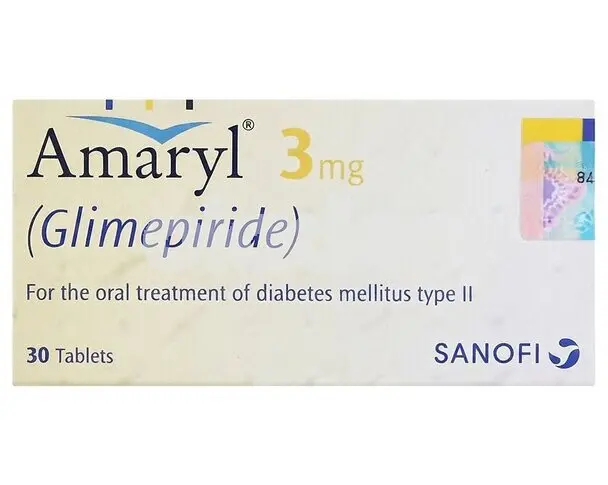
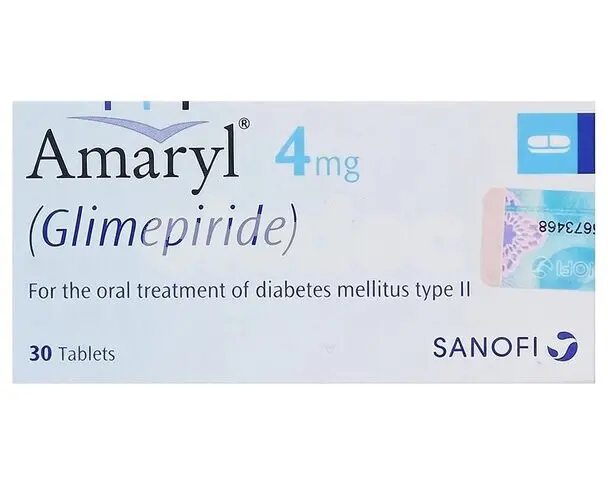
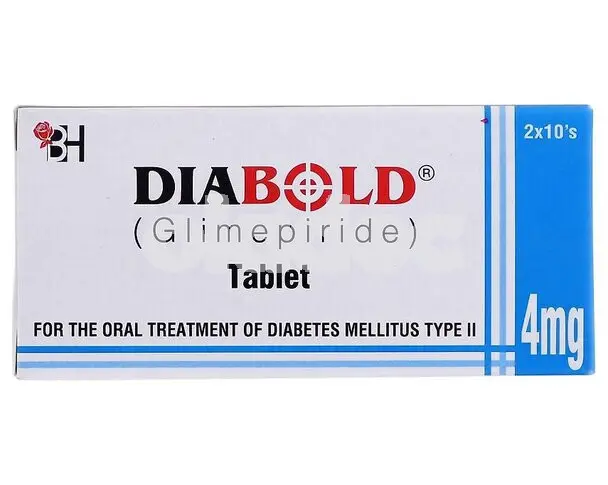
About Evopride Tablet 4mg
Evopride Tablet 4mg contains Glimepiride, a sulfonylurea used to manage type 2 diabetes mellitus.
Evopride Tablet Uses
- Controls high blood sugar in adults with type 2 diabetes mellitus
- Used alongside diet and exercise to improve glycemic control
- Often combined with Metformin or insulin when a single medicine is not enough
- Helps reduce long term diabetes complications by keeping blood sugar within target range
Evopride Tablet Benefits
- Once daily dosing improves convenience and adherence
- Lowers blood sugar quickly by stimulating natural insulin release
- Can be combined safely with several other diabetes medicines under medical supervision
- Affordable generic option for long term diabetes management
What Experts Say
Endocrinologists classify Glimepiride as a second generation sulfonylurea that stimulates insulin release from pancreatic beta cells by closing ATP sensitive potassium channels. This mechanism depends on residual beta cell function, which is why it works well in early to moderate type 2 diabetes but loses effectiveness as beta cell reserve declines over time.
The primary clinical concern with any sulfonylurea is hypoglycemia, and Glimepiride carries this risk particularly when doses are skipped, meals are delayed, or alcohol is consumed. Physicians usually start at the lowest effective dose and titrate gradually while monitoring fasting and postprandial glucose to reduce this risk.
Glimepiride has a long duration of action compared with older sulfonylureas, allowing once daily dosing that improves adherence. Clinicians often combine it with Metformin when monotherapy no longer achieves target HbA1c, and dose adjustment is required in patients with reduced kidney or liver function since both organs contribute to its clearance.
Drug Class
- Sulfonylurea
- Oral antidiabetic (hypoglycemic) agent
- Second generation insulin secretagogue
Evopride Tablet 4mg Uses in Urdu
- ٹائپ 2 ذیابیطس میں بلڈ شوگر کو قابو میں رکھنے کے لیے
- خوراک اور ورزش کے ساتھ شوگر لیول بہتر بنانے کے لیے
- میٹفارمن یا انسولین کے ساتھ ملا کر استعمال کرنے کے لیے
- طویل مدتی ذیابیطس کی پیچیدگیوں کو کم کرنے کے لیے
Evopride Tablet 4mg formula
How to use Evopride Tablet 4mg?
- Take one tablet once daily with the first main meal of the day, usually breakfast
- Swallow the tablet whole with a glass of water
- Take at the same time each day for consistent blood sugar control
- Do not skip meals after taking this medicine, as it can cause low blood sugar
- Follow your doctor's instructions on dose adjustment based on blood sugar readings
Drug Interactions
- Insulin and other antidiabetics: Combining increases the risk of hypoglycemia and requires careful dose coordination.
- Beta Blockers: Can mask the warning signs of low blood sugar, such as a fast heartbeat, making hypoglycemia harder to notice.
- NSAIDs like Nimesulide or Ibuprofen: May enhance the blood sugar lowering effect and raise hypoglycemia risk.
- Warfarin: Glimepiride can alter the effect of blood thinners, requiring closer monitoring.
- Diuretics and Corticosteroids: These can raise blood sugar and reduce the effectiveness of Glimepiride.
- Alcohol: Increases the risk of severe hypoglycemia when combined with this medicine.
Risks and warnings
- Hypoglycemia: Low blood sugar is the most common serious risk, especially if a meal is skipped or delayed after taking this medicine.
- Kidney Impairment: Requires dose adjustment in patients with reduced kidney function, since clearance of the drug depends on the kidneys.
- Liver Impairment: Use with caution in patients with liver disease, as it can affect how the medicine is processed.
- Pregnancy and Breastfeeding: Not recommended during pregnancy or breastfeeding, since insulin is generally preferred for blood sugar control.
- Alcohol Use: Alcohol can increase the risk of hypoglycemia and should be limited while taking this medicine.
- Elderly Patients: Older adults are more sensitive to blood sugar drops and should be monitored closely.
Evopride Tablet 4mg Side Effects
- Low blood sugar (hypoglycemia)
- Nausea or upset stomach
- Dizziness or headache
- Weight gain over time
- Skin rash or itching
- Blurred vision, usually related to blood sugar changes
- Sweating or shakiness from low blood sugar episodes
- Rarely, changes in liver enzymes on blood tests
Storage Conditions
- Store below 30 degrees Celsius in a cool, dry place
- Keep the blister strip inside its original carton away from light
- Keep out of reach of children
- Avoid storing in the bathroom or near a sink due to moisture
- Discard any expired or unused tablets safely