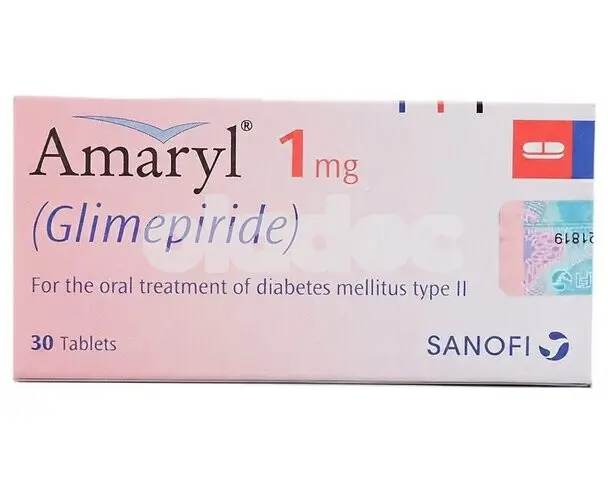
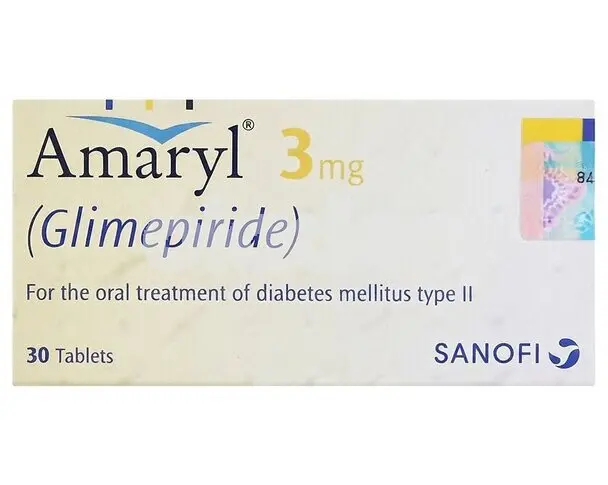
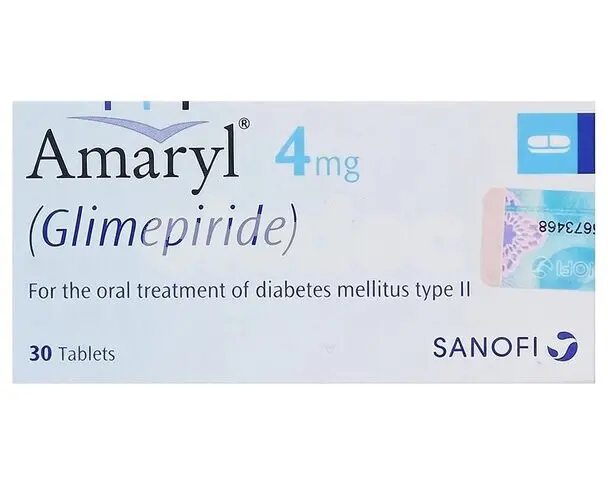
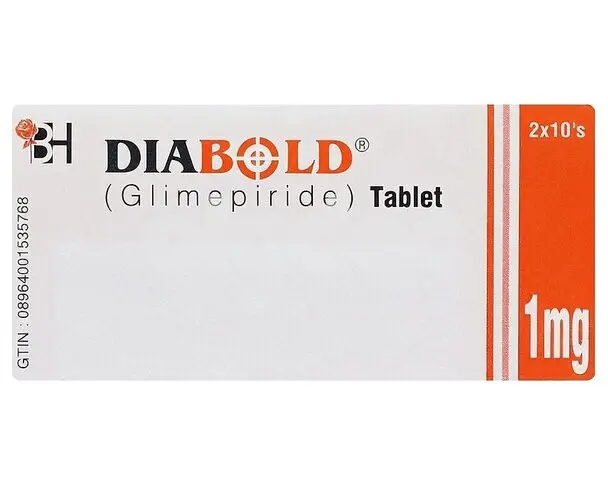
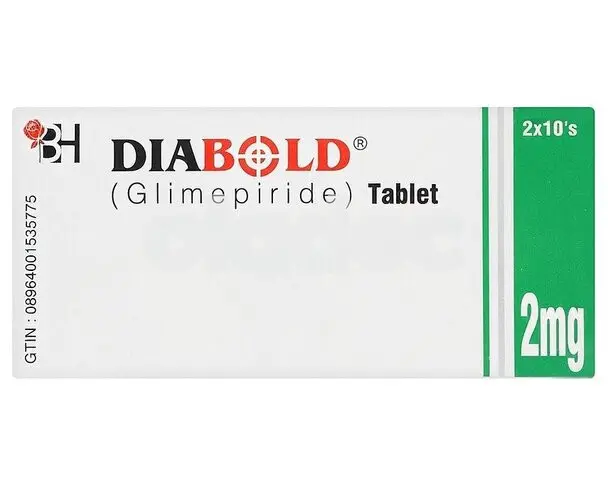
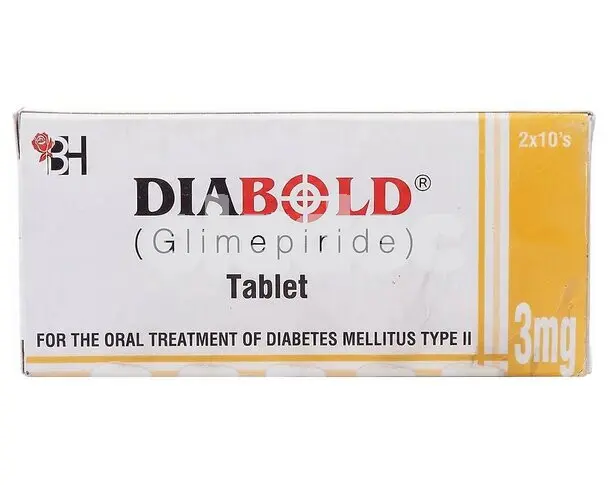
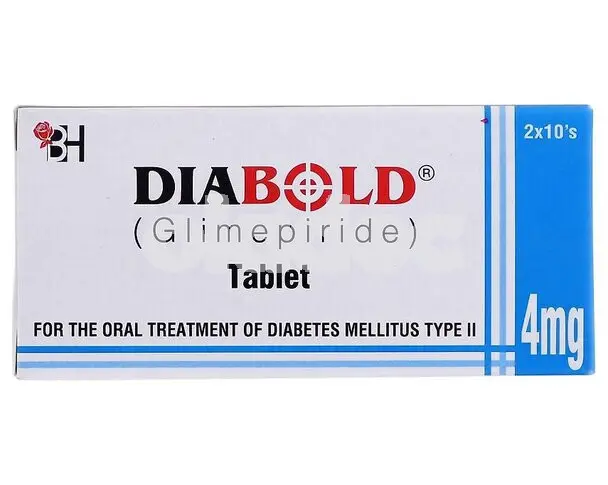
About G.P.D Tablet 4mg
A once daily diabetes tablet that helps control blood sugar levels in adults with type 2 diabetes.
G.P.D Tablet Uses
- Type 2 diabetes mellitus, alongside diet and exercise
- Blood sugar control when metformin alone is not enough
- Combination therapy with other diabetes medicines as advised by a doctor
G.P.D Tablet Benefits
- Extra insulin release from the pancreas to help lower blood sugar
- Once daily dosing that fits easily into a daily routine
- Better blood sugar control when combined with diet and exercise
- An affordable option for long term diabetes management
What Experts Say
Doctors prescribe this tablet to stimulate the pancreas into releasing more insulin, which helps move sugar out of the bloodstream and into the body's cells. This class of medicine has been used for decades to manage type 2 diabetes and works best when paired with a balanced diet. Regular blood sugar monitoring helps confirm the dose is working as intended.
A missed meal after taking this tablet can cause blood sugar to drop too low, so consistent eating habits matter as much as the medicine itself. Elderly patients and those with kidney or liver problems often need closer monitoring since they are more prone to low blood sugar episodes. Any symptoms of shakiness, sweating, or confusion should be treated right away with a fast acting sugar source.
Long term diabetes control also depends on regular checkups, eye exams, and kidney tests, since this tablet only addresses blood sugar. Weight management and physical activity remain important alongside medication. A doctor should be consulted before combining this tablet with new medicines or supplements.
Drug Class
- Sulfonylurea
- Oral Antidiabetic (Blood Glucose Lowering Agent)
G.P.D Tablet Uses in Urdu
- ٹائپ 2 ذیابیطس کے مریضوں میں شوگر کنٹرول کرنے کے لیے
- خوراک اور ورزش کے ساتھ بلڈ شوگر کو متوازن رکھنے میں مدد کے لیے
- دیگر ذیابیطس کی ادویات کے ساتھ ملا کر علاج کرنے کے لیے
How to use G.P.D Tablet 4mg?
- This tablet is usually taken once daily with the first main meal.
- The tablet should be swallowed with a full glass of water.
- Meals should not be skipped after taking this medicine.
- The prescribed dose should be followed without independent adjustments.
- Blood sugar levels should be checked regularly as advised by the doctor.
Drug Interactions
- Insulin and other diabetes medicines: Combined use raises the risk of low blood sugar and needs careful dose adjustment.
- Beta blockers: These can mask the warning signs of low blood sugar, such as a racing heartbeat.
- NSAIDs (pain relievers like ibuprofen): These medicines may increase the blood sugar lowering effect and the risk of hypoglycemia.
- Alcohol: Alcohol intake can intensify low blood sugar episodes and cause flushing reactions.
- Fluconazole and certain antifungals: These can raise the level of this tablet in the blood, increasing the risk of hypoglycemia.
Risks and warnings
- Hypoglycemia Risk: Meals should not be skipped after taking this tablet to avoid a sudden drop in blood sugar.
- Kidney or Liver Disease: Dose adjustment or closer monitoring is needed in people with reduced kidney or liver function.
- Elderly Patients: Older adults are more sensitive to blood sugar drops and need careful dose titration.
- Pregnancy and Breastfeeding: This tablet is generally not recommended and insulin is usually preferred instead.
- Sulfa Allergy: People with a known sulfa drug allergy should inform their doctor before starting this medicine.
G.P.D Tablet Side Effects
Common side effects are usually mild and often ease as the body adjusts to the medicine.
- Low blood sugar (hypoglycemia)
- Nausea or mild stomach upset
- Headache
- Dizziness
- Weight gain over time
Serious side effects are rare but need urgent medical attention.
- Severe hypoglycemia with confusion, seizures, or loss of consciousness
- Yellowing of the skin or eyes
- Severe allergic reaction with rash, swelling, or breathing difficulty
- Unusual bruising or bleeding
Storage Conditions
- Store below 30 degrees Celsius in a cool, dry place.
- Keep the tablets in their original blister pack.
- Protect from moisture and direct sunlight.
- Keep out of reach of children.
- Discard any expired or damaged tablets safely.