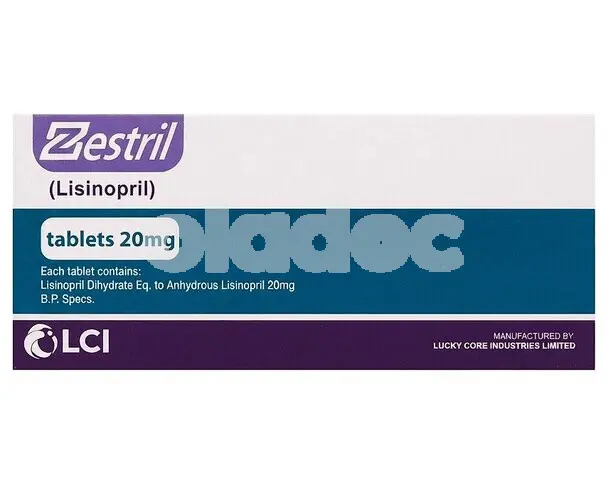
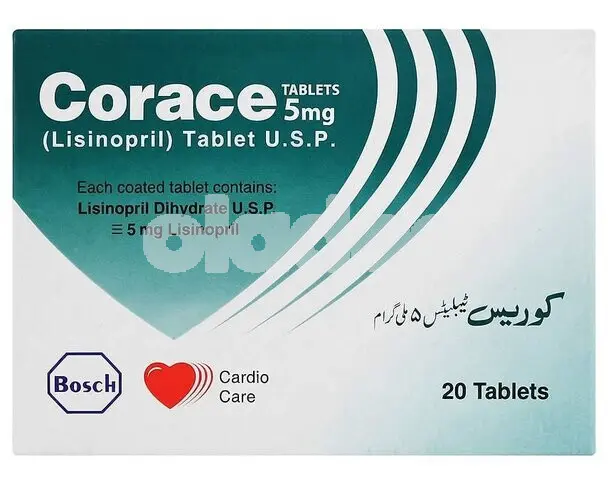
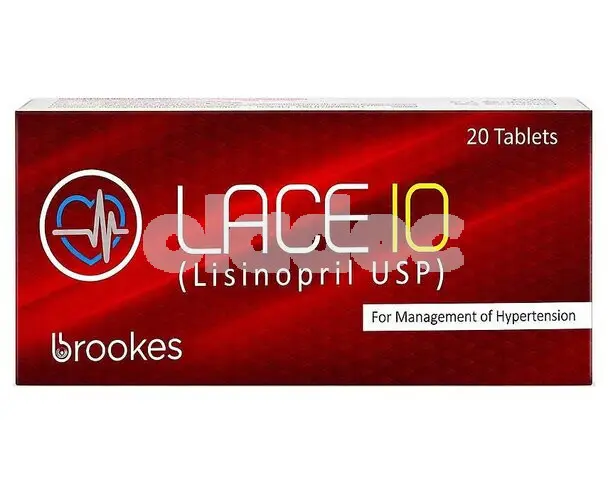
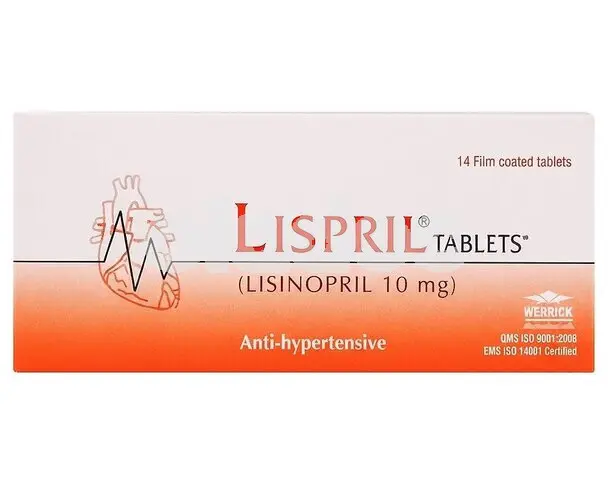
About Zestril Tablet 20mg
Zestril Tablet 20mg contains Lisinopril, an ACE inhibitor used to control high blood pressure and heart failure.
Zestril Tablet Uses
- Treating high blood pressure (hypertension) in adults
- Managing heart failure alongside other heart medicines
- Improving survival after a heart attack
- Protecting kidney function in people with diabetic nephropathy
- Reducing the long-term risk of stroke linked to high blood pressure
Zestril Tablet Benefits
- Lowers blood pressure by relaxing and widening blood vessels
- Reduces strain on the heart, easing breathlessness and swelling
- Slows progression of kidney damage in diabetic patients
- Lowers the risk of future heart attacks and strokes
- Once daily dosing makes it convenient for long-term use
What Experts Say
Physicians prescribe lisinopril because it blocks the enzyme that converts angiotensin I into angiotensin II, a powerful blood vessel constrictor. Lower angiotensin II levels let blood vessels relax and widen, directly reducing blood pressure and easing the heart workload. This pathway also lowers aldosterone release, helping the body excrete excess sodium and water instead of retaining it.
Cardiologists value ACE inhibitors like lisinopril for their proven ability to slow heart failure progression and protect kidney function in people with diabetes. Since the drug clears through the kidneys, doctors usually start with a lower dose and titrate upward while monitoring renal function and serum potassium, as ACE inhibition can raise potassium in some patients.
Pakistan carries a high burden of hypertension and cardiovascular disease, with many patients diagnosed only after complications appear. Physicians often choose ACE inhibitors as a first-line option when high blood pressure occurs alongside diabetes or early kidney disease, since one drug addresses both concerns. Consistent daily use, not occasional dosing, delivers the long-term protective effect experts rely on.
Drug Class
- ACE Inhibitor (Angiotensin-Converting Enzyme Inhibitor)
Zestril Tablet 20mg Uses in Urdu
- ہائی بلڈ پریشر کو کنٹرول کرنے کے لیے
- دل کی ناکامی ہارٹ فیلیئر کے علاج میں مددگار
- دل کے دورے کے بعد دل کو تحفظ فراہم کرنے کے لیے
- ذیابیطس کے مریضوں میں گردوں کو نقصان سے بچانے کے لیے
- فالج کے خطرے کو کم کرنے کے لیے
Zestril Tablet 20mg formula
How to use Zestril Tablet 20mg?
- Take Zestril Tablet 20mg by mouth, with or without food, at the same time each day
- Swallow the tablet whole with a glass of water
- Do not stop taking this medicine suddenly without consulting your doctor
- Take a missed dose as soon as remembered, unless it is almost time for the next dose
- Continue taking this medicine even if blood pressure feels normal, unless your doctor advises otherwise
Drug Interactions
- Potassium Supplements: Taking potassium supplements or salt substitutes with Zestril Tablet 20mg can raise blood potassium to dangerous levels.
- NSAIDs: Regular use of ibuprofen or diclofenac can reduce the blood pressure lowering effect and increase the risk of kidney problems.
- Lithium: Lisinopril can raise blood lithium levels, increasing the risk of lithium toxicity.
- Other Antihypertensives: Combining with other blood pressure medicines or diuretics can cause an excessive drop in blood pressure.
- Potassium-Sparing Diuretics: Medicines like spironolactone further raise the risk of hyperkalemia when combined with Lisinopril.
Risks and warnings
- Persistent Dry Cough: A dry, tickling cough can develop weeks to months after starting Lisinopril and may require switching to a different blood pressure medicine.
- Angioedema: Rare but serious swelling of the face, lips, tongue, or throat can occur and needs immediate emergency care.
- Hyperkalemia: Lisinopril can raise blood potassium levels, especially in people with kidney disease or those taking potassium supplements.
- Pregnancy: This medicine is contraindicated during pregnancy, as it can cause serious harm or death to the developing baby, especially in the second and third trimesters.
- Kidney Function: Use with caution in patients with existing kidney impairment, since dose adjustment and monitoring are often needed.
- Low Blood Pressure: The first dose can cause a sudden drop in blood pressure, particularly in people already taking diuretics.
Zestril Tablet Side Effects
- Dry, persistent cough
- Dizziness or lightheadedness
- Headache
- Fatigue or tiredness
- Nausea
- Low blood pressure, especially after the first dose
- Elevated potassium levels
- Swelling of the face, lips, or tongue (angioedema, rare but serious)
Storage Conditions
- Store at room temperature, between 15°C and 30°C
- Keep the tablets in their original blister pack away from moisture
- Protect from direct sunlight and heat
- Keep out of reach of children
- Discard any expired or unused tablets safely