





Cherries are one of the most nutrient-dense fruits available in Pakistan, yet most people treat them as a seasonal snack rather than a health food. That is a missed opportunity.
Available from late May to July in regions like Gilgit-Baltistan and Swat, cherries are packed with antioxidants, vitamins, and natural compounds that support everything from sleep to heart health. Their bright color is not just decorative. It comes from anthocyanins, powerful plant pigments that protect the body at a cellular level.
Whether you eat them fresh, blend them into a smoothie, or drink the juice, cherries offer real, science-backed benefits. Here are 15 reasons to make them a regular part of your diet this season.
Got a question? Consult a top Nutritionist near you in Pakistan
Table of Contents
What Are the Health Benefits of Cherries?
Cherries are rich in antioxidants, anti-inflammatory compounds, fiber, vitamin C, potassium, and melatonin. These nutrients work together to support heart health, improve sleep quality, reduce joint inflammation, boost immunity, regulate blood sugar, and protect skin from premature aging. Both sweet and tart varieties offer significant health benefits.
Cherry Nutrition Facts (Per 100g)
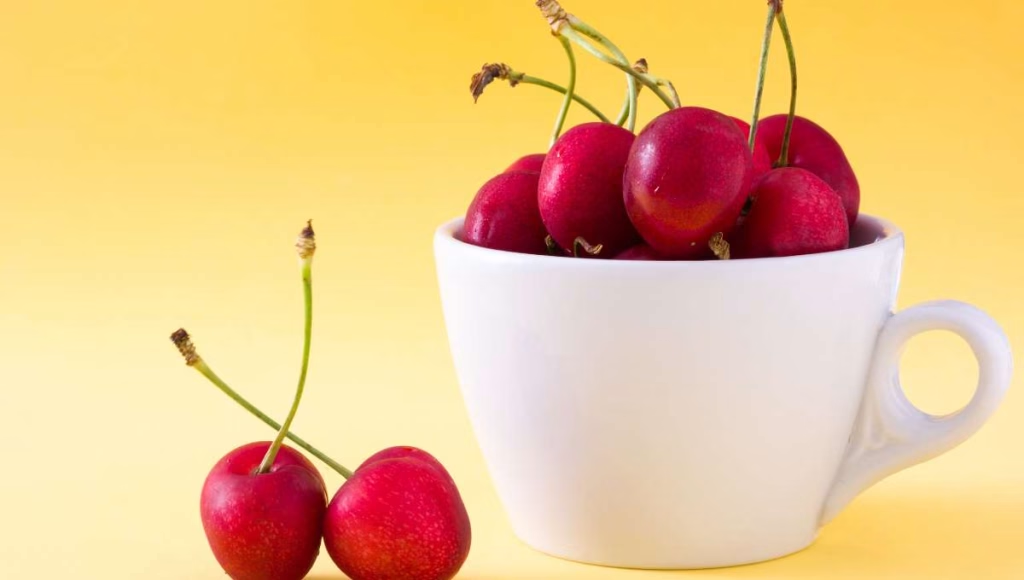
Nutritional values for 100g of tart cherries (approximately 15 to 17 pitted), as per USDA FoodData Central, are given below:
- Calories: 50 kcal
- Carbohydrates: 12.2g (includes 8.5g natural sugars)
- Dietary Fiber: 1.6g
- Protein: 1g
- Vitamin C: 11% of Daily Value (10mg)
- Potassium: 173mg
- Glycemic Index: 22 (tart) / 63 (sweet)
15 Amazing Health Benefits of Cherries
The following are some of the health benefits that cherries provide:
1. Loaded With Powerful Antioxidants
Cherries get their deep red color from anthocyanins, a type of antioxidant that fights free radicals in the body. Free radicals are unstable molecules that damage healthy cells and accelerate aging.
Regular consumption of cherries helps neutralise this damage, reducing the long-term risk of conditions like heart disease, certain cancers, and cognitive decline. Research suggests cherries rival blueberries in antioxidant capacity.
2. Improve Sleep Quality Naturally
Cherries, especially tart varieties, are one of the very few natural food sources of melatonin. Melatonin is the hormone that tells your body it is time to sleep. Low melatonin is a common cause of poor sleep and insomnia.
Drinking tart cherry juice about an hour before bed has been shown in studies to improve total sleep time, reduce night waking, and improve sleep efficiency. For anyone struggling with sleep in Pakistan’s busy urban environment, this is a simple and natural intervention.
3. Reduce Inflammation Throughout the Body
Chronic low-grade inflammation is the underlying driver of many serious diseases, including diabetes, heart disease, and arthritis. Cherries contain anthocyanins and quercetin, two compounds with strong anti-inflammatory effects.
Studies have shown that eating cherries regularly lowers key inflammatory markers in the blood, including C-reactive protein. This makes them useful not just for joint conditions but for overall long-term health protection.
4. Support Joint Health and Reduce Gout Attacks
Gout is a painful form of arthritis caused by a buildup of uric acid in the joints. Cherries help lower uric acid levels in the blood, which directly reduces the frequency and severity of gout attacks.
A study found that people who ate cherries had a 35% lower risk of gout flare-ups compared to those who did not. For patients with arthritis or joint pain, cherries offer meaningful relief alongside standard medical treatment.
5. Protect Heart Health
The heart benefits of cherries come from multiple directions. Anthocyanins reduce LDL cholesterol, improve blood vessel flexibility, and reduce arterial stiffness. Potassium in cherries helps balance sodium levels and supports a healthy heart rhythm.
One cup of cherries provides around 260mg of potassium. This makes cherries a genuinely heart-friendly fruit, particularly for people with borderline high blood pressure.
6. Help Regulate Blood Sugar Levels
Despite tasting sweet, cherries have a low glycemic index. Tart cherries score just 22 on the GI scale, meaning they cause a slow and gentle rise in blood sugar rather than a sharp spike.
Anthocyanins and flavonoids in cherries also improve insulin sensitivity, which helps the body use glucose more efficiently. This makes cherries a suitable fruit for people managing diabetes or prediabetes, consumed in moderation as part of a balanced diet.
7. Speed Up Muscle Recovery After Exercise
Athletes and fitness enthusiasts have adopted tart cherry juice as a recovery drink for good reason. The anti-inflammatory compounds in cherries reduce exercise-induced muscle damage and soreness, helping the body repair faster after intense physical activity.
This benefit is not limited to professional athletes. Anyone who experiences muscle soreness after a workout, a long walk, or physical labour can benefit from cherries in their recovery routine.
8. Boost Brain Function and Memory
The polyphenols in cherries protect brain cells from oxidative stress, which is a major driver of age-related cognitive decline. These compounds support communication between brain cells and reduce neuroinflammation.
Studies involving older adults showed that regular cherry juice consumption improved verbal fluency, working memory, and mental processing speed. Introducing cherries early as a dietary habit may help preserve cognitive function long term.
Also Read: Peach Juice: Benefits, Nutrition, and How to Make It
9. Strengthen the Immune System
Vitamin C is one of the most important nutrients for immune function, and cherries are a good source of it. Vitamin C stimulates the production of white blood cells, which are the body’s first line of defense against infection.
The anti-inflammatory properties of cherries also support a balanced immune response, making them useful for people who fall sick frequently or are recovering from illness.
10. Support Digestive Health
Each cup of cherries provides around 3g of dietary fiber. Fiber is essential for healthy bowel movements, a balanced gut microbiome, and the prevention of digestive issues like constipation, bloating, and irritable bowel syndrome.
Cherries also contain sorbitol, a natural sugar alcohol that draws water into the colon and acts as a gentle stool softener. This makes them particularly helpful for people who struggle with irregular digestion.
11. Promote Healthy and Glowing Skin
The combination of vitamin C, melatonin, and antioxidants in cherries makes them excellent for skin health. Vitamin C is essential for collagen production, which keeps skin firm and reduces the appearance of fine lines.
Antioxidants protect the skin from damage caused by UV rays and pollution. Melatonin helps repair skin cells during sleep. Regular cherry consumption supports a clearer, brighter, and more youthful complexion from the inside out.
12. Support Healthy Weight Management
Cherries are low in calories, around 50 per 100g, while being naturally sweet and satisfying. Their fiber content promotes a feeling of fullness, which can help reduce overall calorie intake throughout the day.
They also have a low glycemic index, meaning they do not trigger the blood sugar spikes that lead to cravings and overeating. Replacing high-sugar snacks with a handful of fresh cherries is a practical step toward better weight management.
13. Reduce Stress and Support Mood
Melatonin and antioxidants in cherries help regulate cortisol, the body’s primary stress hormone. Lower cortisol levels are associated with reduced anxiety, better mood, and improved emotional resilience.
The anti-inflammatory properties of cherries also support hormonal balance, which plays a role in mood regulation. A handful of cherries in the afternoon can serve as a natural mood stabilizer alongside other healthy habits.
14. Protect Eye Health
Cherries contain beta-carotene and vitamin C, both important for maintaining healthy eyesight. Beta-carotene converts to vitamin A in the body, a nutrient essential for night vision and the prevention of dry eyes.
The antioxidants in cherries also help protect the eyes from oxidative stress, which is linked to age-related macular degeneration and cataract development.
15. Strengthen Bones
Cherries contain boron, a trace mineral that plays an important role in bone metabolism and the maintenance of bone density. Boron works alongside calcium and magnesium to support strong bones and reduce the risk of osteoporosis.
While cherries alone are not a substitute for a calcium-rich diet, they contribute meaningfully to a bone-protective eating pattern, particularly for women over 40 who are at higher risk of bone density loss.
Also Read: Glycemic Index of Mango: Is It Safe for Diabetic Patients?
Best Time to Eat Cherries
The best time depends on what you want to achieve:
- Morning on an empty stomach: Supports digestion and gives the body a clean antioxidant boost to start the day.
- As a mid-morning or afternoon snack: Curbs sugar cravings with natural sweetness and keeps energy levels stable.
- Before a workout: The natural sugars provide quick energy for physical activity.
- After a workout: Anti-inflammatory compounds help reduce muscle soreness and speed up recovery.
- One hour before bed: Melatonin content supports better sleep onset and sleep quality.
Avoid eating cherries late at night on a full stomach, as the fiber and sorbitol content may cause discomfort in some people.
Cherry Varieties in Pakistan
Cherries in Pakistan are grown primarily in Gilgit-Baltistan, Swat, and parts of Balochistan. The cherry season runs from June to July, with lower-altitude varieties arriving in late May and Hunza/Skardu varieties lasting through mid-July.
- Makbul: Deep red, firm, and sweet. The most commonly found variety in city fruit stalls across Pakistan.
- Mushkeeki: Dark red and slightly tart. Higher anthocyanin content gives it a stronger antioxidant profile than sweeter varieties.
- Chooni: Yellowish-red with an exceptionally sweet taste. Less common in urban markets but available at specialist vendors during peak season.
- Hush-kap: A prized black cherry variety with a remarkably sweet taste.
- Indigenous (Hunza/Nagar): Deep red with a slightly tart flavour, a local favourite from the higher-altitude valleys.
- French (Hunza/Nagar): A sweeter variety introduced more recently, now widely cultivated alongside the indigenous type.
When to Consult a Nutritionist
Cherries are safe for most people and can be eaten freely during their season. However, people with diabetes should monitor portion sizes due to the natural sugar content in sweet cherries. Those with irritable bowel syndrome may find that the sorbitol in cherries worsens symptoms if eaten in large amounts.
If you have a chronic condition and want to understand how to best incorporate seasonal fruits like cherries into your diet, a nutritionist can give you personalized guidance.
Cherries offer real benefits, but how much you should eat depends on your health condition, medications, and diet as a whole. Book a nutritionist on oladoc across major cities in Pakistan to get a plan that fits your situation.
Conclusion
Cherries are far more than a seasonal treat. Rich in antioxidants, melatonin, vitamin C, and anti-inflammatory compounds, they support sleep, heart health, joint function, skin, digestion, blood sugar, and more. Eating a cup of fresh cherries daily during the season is one of the simplest and most enjoyable ways to support overall health.
Frequently Asked Questions
Tart cherries have a low glycemic index of 22 and can be consumed in moderation. Sweet cherries have a higher GI of around 63. A small portion of fresh cherries as part of a balanced meal is unlikely to cause significant blood sugar spikes, but portion control matters.
A standard serving is around one cup, roughly 15 to 20 cherries. This amount provides meaningful health benefits without excessive sugar intake. More than two cups per day may cause digestive discomfort due to sorbitol.
Frozen cherries retain most of their nutrients and are a good alternative when fresh are not available. Dried cherries often contain added sugar and are much higher in calories, so it is worth checking the label before buying.
Research supports this. Cherries lower uric acid levels in the blood and reduce inflammation, both of which directly reduce the frequency of gout attacks. They work best as a complementary measure alongside medical treatment, not as a replacement.
Fresh cherries are available from late May to July at fruit markets and grocery stores across major cities. They are primarily grown in Gilgit-Baltistan and Swat. Frozen and dried versions are available year-round in larger supermarkets.
Yes, cherries are safe and nutritious for children. Always remove the pits before serving to avoid a choking hazard. Start with small quantities to see how the child’s digestion responds.
