




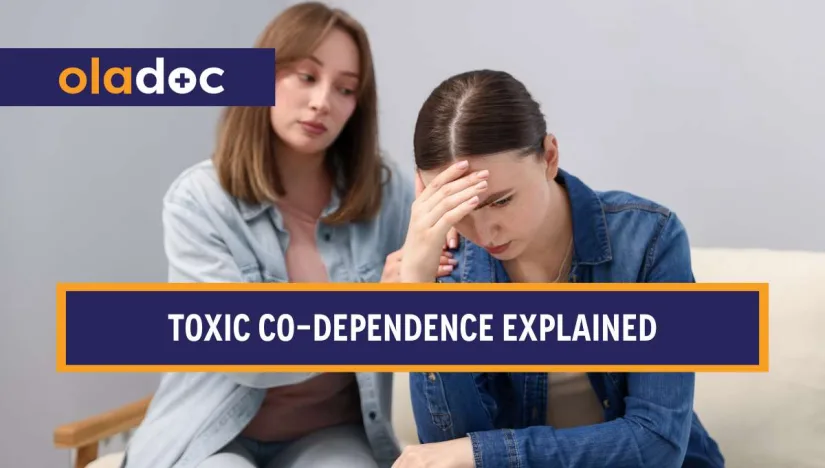
Living with someone who has mental health challenges can be emotionally demanding and stressful. Without proper boundaries, caregivers can fall into patterns of toxic co-dependence, where they prioritize the needs of the person they are supporting over their own well-being.
This dynamic can harm both parties, leading to burnout, strained relationships, and emotional exhaustion. Continue reading to learn more.
Table of Contents
What is Toxic Co-Dependence?
Toxic co-dependence occurs when a caregiver becomes excessively responsible for another person’s emotions, actions, or recovery.
While helping someone is natural, constantly putting their needs above your own can result in enabling unhealthy behaviors and neglecting self-care.
Over time, both the caregiver and the person receiving support can feel trapped in a cycle of stress and dependence.
Common Signs of Toxic Co-Dependence
Some signs that toxic co-dependence may be affecting your home include:
- Constantly trying to “fix” the other person’s problems.
- Feeling guilty for taking personal time or prioritizing your own needs.
- Avoiding your social life, hobbies, or self-care to focus solely on caregiving.
- Difficulty saying “no” even when overwhelmed.
- Feeling anxious or responsible for the other person’s moods.
Strategies to Protect Your Home and Mental Health
Managing toxic co-dependence involves several practical steps:
- Set Clear Boundaries: Decide what you can realistically support and communicate it calmly but firmly. Boundaries protect both you and your loved one.
- Encourage Professional Support: Mental health conditions require professional care. Therapy, counseling, and psychiatric support ensure the person receives the help they need while reducing pressure on the caregiver.
- Prioritize Self-Care: Regularly engage in activities that recharge you, such as hobbies, exercise, or spending time with friends.
- Practice Healthy Emotional Detachment: Compassionate detachment helps you stay supportive without sacrificing your own mental health.
- Use Support Networks: Reach out to family, friends, or caregiver support groups to share experiences, seek advice, and reduce isolation.
- Communicate Effectively: Use calm, empathetic language, avoid blame, and focus on understanding rather than criticism.
- Accept Your Limits: Understand that you cannot solve every problem, and giving yourself permission to step back reduces stress and guilt.
When to See a Doctor or Psychologist
Sometimes, toxic co-dependence or the challenges of caregiving indicate the need for professional guidance. You should consider seeing a mental health professional if:
- Your stress or anxiety is interfering with daily life.
- You notice persistent feelings of guilt, resentment, or burnout.
- The person you are caring for is struggling to function independently.
- You are unsure how to manage difficult behaviors or emotional episodes.
A licensed psychologist or counselor can help both caregivers and patients develop healthy coping strategies. In Pakistan, you can easily book a psychologist through oladoc for online or in-person sessions, providing professional guidance and support tailored to your needs.
Creating a Supportive Home Environment
A healthy home is built on mutual respect, clear boundaries, and emotional awareness. Encourage independence in the person you are supporting, celebrate small improvements, and maintain routines that support mental wellness.
FAQs
Yes. Love and care are natural, but co-dependence occurs when you sacrifice your own well-being to manage someone else’s emotions or behaviors.
Set boundaries, encourage professional help, and avoid taking full responsibility for the other person’s actions or moods.
Engage in hobbies, take short breaks, maintain social connections, exercise, and prioritize rest.
Absolutely. Therapy provides strategies to manage stress, set boundaries, and improve communication, helping both caregivers and their loved ones.
